Report an issue
Tell us what's wrong and we'll take a look.
Thanks – we got it. We'll review and follow up if needed.
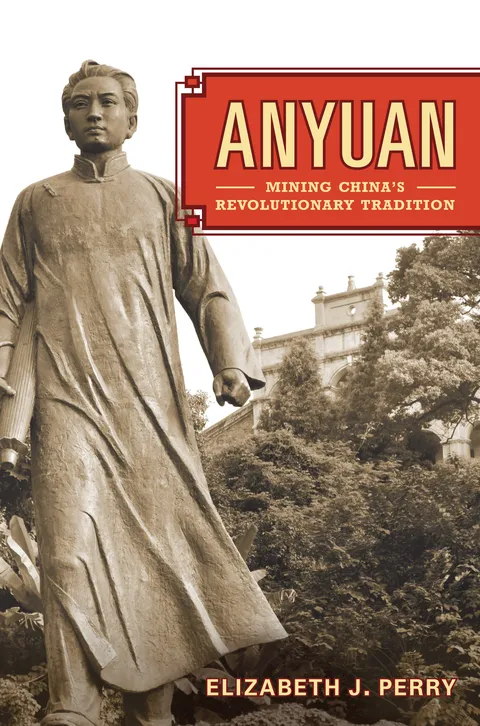
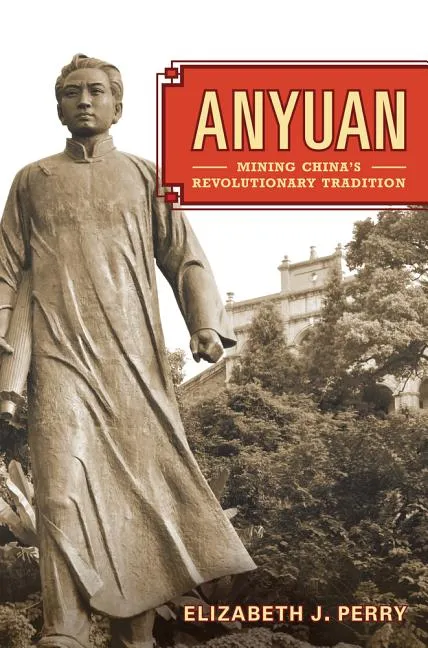
How do we explain the surprising trajectory of the Chinese Communist revolution? Why has it taken such a different route from its Russian prototype? An answer, Elizabeth Perry suggests, lies in the Chinese Communists' creative development and deployment of cultural resources - during their revolutionary rise to power and afterwards. Skillful "cultural positioning" and "cultural patronage," on the part of Mao Zedong, his comrades and successors, helped to construct a polity in which a once alien Communist system came to be accepted as familiarly "Chinese." Perry traces this process through a case study of the Anyuan coal mine, a place where Mao and other early leaders of the Chinese Communist Party mobilized an influential labor movement at the beginning of their revolution, and whose history later became a touchstone of "political correctness" in the People's Republic of China. Once known as "China's Little Moscow," Anyuan came over time to symbolize a distinctively Chinese revolutionary tradition. Yet the meanings of that tradition remain highly contested, as contemporary Chinese debate their revolutionary past in search of a new political future.
Elizabeth J Perry
Elizabeth J. Perry is Henry Rosovsky Professor of Government at Harvard University and Director of the Harvard-Yenching Institute.
More by Elizabeth J Perry


Why Readwise Books?
Readwise Books is an ebook & audiobook platform that automatically logs how much you and your friends read, making it fun and easy to read more. Learn more →