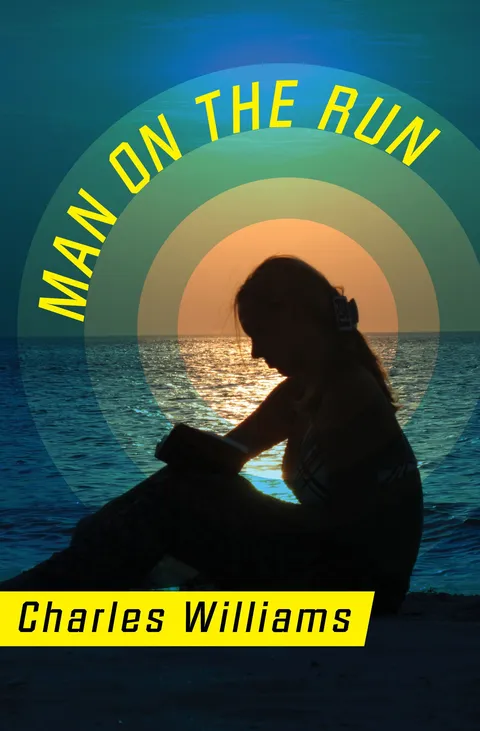
Man on the Run
Report an issue
Tell us what's wrong and we'll take a look.
Thanks – we got it. We'll review and follow up if needed.
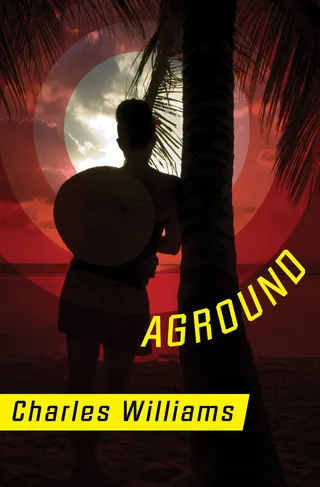
Pursued by the police, a desperate man fights to stay free—and stay alive It's raining hard when the man leaps off the train. He lands safely and creeps into town, praying he will find someplace to hide. It's nearly daylight, and the police are not far behind. He breaks into an unoccupied seaside cottage, and is overjoyed to find coffee, whiskey, and cigarettes. But before the fugitive can relax, the doorknob rattles. The police are at the door. Russell Foley, third mate on an oil tanker, is not a cop killer. But the night before he got into a fight with a police detective, and a few hours later the cop was found stabbed to death. Unable to explain himself, he bolts, hoping to evade the police and somehow find the real killer. But for a man who cannot stop running, justice can be a hard thing to find.
Charles Williams
Charles Williams (1886–1945) was a British author and longtime editor at Oxford University Press. He was one of the three most prominent members of the literary group known as the Inklings—the other two being C. S. Lewis and J. R. R. Tolkien. Williams wrote poetry, drama, biography, literary criticism, and more, but is best known for his novels, which explored the primal conflict between good and evil. T. S. Eliot, who wrote an introduction to Williams’s All Hallows’ Eve, praised the author’s “profound insight into . . . the heights of Heaven and the depths of Hell, which provides both the immediate thrill, and the permanent message of his novels,” and Time magazine called him “one of the most gifted and influential Christian writers England has produced this century.”
More by Charles Williams




Why Readwise Books?
Readwise Books is an ebook & audiobook platform that automatically logs how much you and your friends read, making it fun and easy to read more. Learn more →