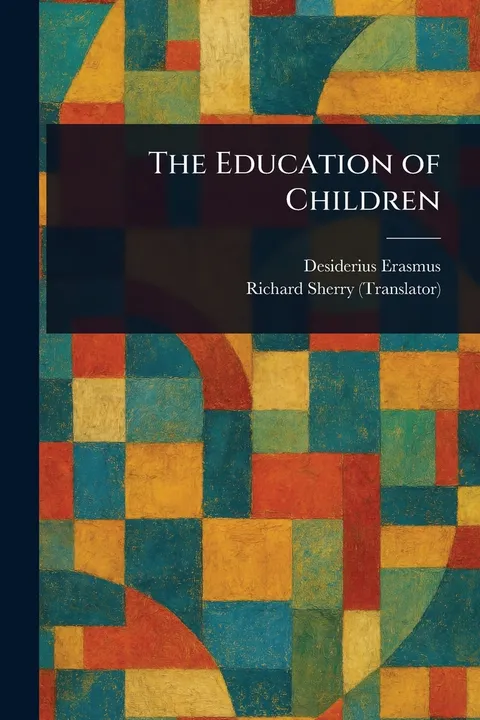
The Education of Children
Report an issue
Tell us what's wrong and we'll take a look.
Thanks – we got it. We'll review and follow up if needed.
"The Education of Children" by Desiderius Erasmus offers timeless insights into early education and child rearing. A cornerstone of Renaissance humanism, this work provides guidance on fostering intellectual and moral development in young minds. Erasmus, a leading figure of his era, explores the principles of effective teaching and learning, emphasizing the importance of a well-rounded education that encompasses both knowledge and character.
This historical text, meticulously prepared for print republication, delves into the philosophical and social aspects of education, making it relevant to anyone interested in the history of educational thought. Explore Erasmus's vision for shaping future generations through enlightened pedagogical practices. A significant work in the history of education, "The Education of Children" continues to inspire and inform discussions about the best approaches to nurturing young minds.
This work has been selected by scholars as being culturally important, and is part of the knowledge base of civilization as we know it.
This work is in the public domain in the United States of America, and possibly other nations. Within the United States, you may freely copy and distribute this work, as no entity (individual or corporate) has a copyright on the body of the work.
Scholars believe, and we concur, that this work is important enough to be preserved, reproduced, and made generally available to the public. We appreciate your support of the preservation process, and thank you for being an important part of keeping this knowledge alive and relevant.
Desiderius Erasmus
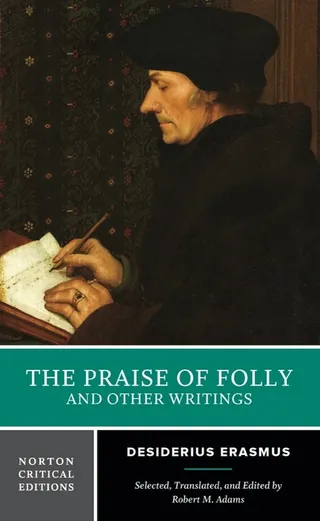
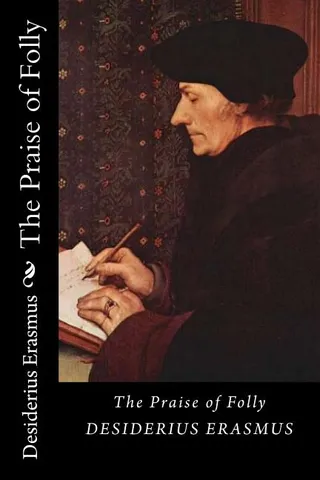
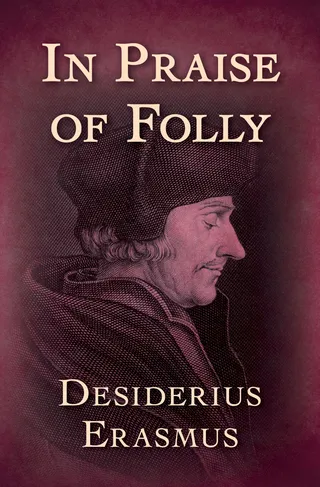
Desiderius Erasmus Roterodamus, widely known as Erasmus of Rotterdam, was born in Rotterdam, Netherlands, and died on July 12, 1536, in Basel, Switzerland. He was a renowned Dutch Christian humanist, Catholic priest, theologian, educationalist, satirist, and philosopher. Erasmus is best known for his work in the field of education and for his contributions to the Renaissance humanist movement. He was deeply influenced by prominent figures like Martin Luther, Thomas More, and Aristotle. Throughout his life, Erasmus focused on the importance of education, advocating for the improvement of Christian society through a more enlightened understanding of scripture and the humanities. His works, including The Praise of Folly, critiqued the church and society, using satire to call attention to the shortcomings of both. Erasmus influenced many thinkers, including William Tyndale and Philip Melanchthon, and his legacy continues to shape Western thought. His parents were Margaretha Rogerius and Roger Gerard, and his intellectual and theological contributions have left a lasting mark on philosophy, religion, and education.
More by Desiderius Erasmus




Why Readwise Books?
Readwise Books is an ebook & audiobook platform that automatically logs how much you and your friends read, making it fun and easy to read more. Learn more →