Report an issue
Tell us what's wrong and we'll take a look.
Thanks – we got it. We'll review and follow up if needed.
The default setting of England is anger. The English are naturally, congenitally, collectively and singularly livid much of the time. They're incensed, incandescent, splenetic, prickly, touchy, and fractious. They can be mildly annoyed, really annoyed and, most scarily, not remotely annoyed. They sit apart on their half of a damply disappointing little island, nursing and picking at their irritations. The English itch inside their own skins. They feel foreign in their own country and run naked through their own heads.
Perhaps aware that they're living on top of a keg of fulminating fury, the English have, throughout their history, come up with hundreds of ingenious and bizarre ways to diffuse anger or transform it into something benign. Good manners and queues, cul-de-sacs and garden sheds, and almost every game ever invented from tennis to bridge. They've built things, discovered stuff, made puddings, written hymns and novels, and for people who don't like to talk much, they have come up with the most minutely nuanced and replete language ever spoken -- just so there'll be no misunderstandings.
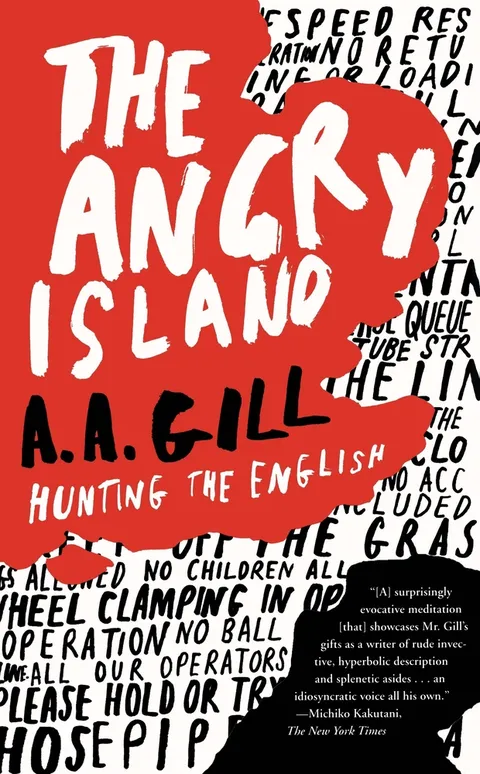
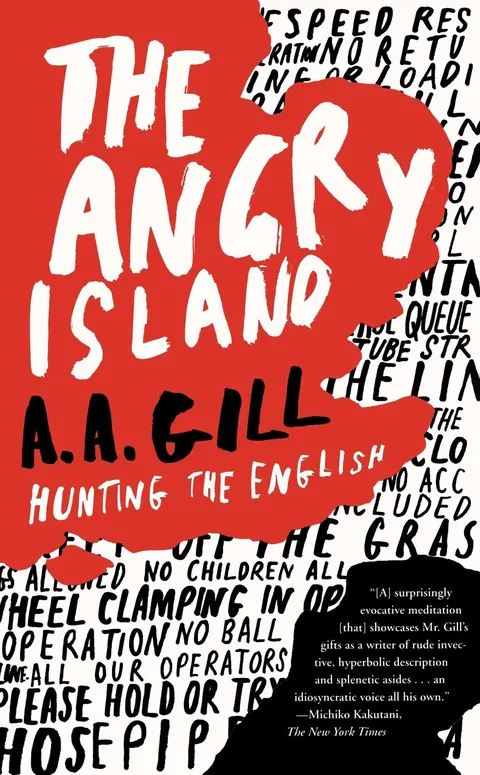
The Angry Island by turns attacks and praises the English, bringing up numerous points of debate for Anglophiles and anyone who wonders about the origins of national identity. This book hunts down the causes and the results of being the Angry Island.
A A Gill
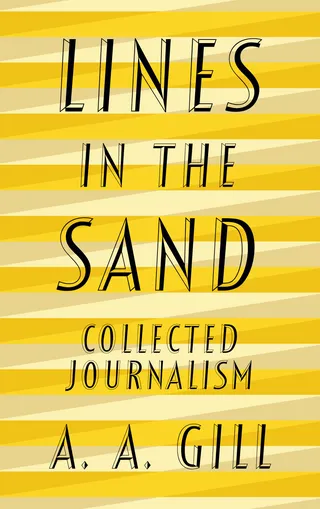
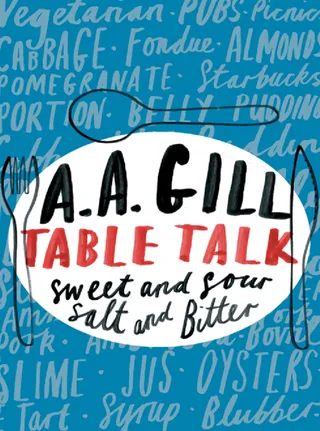
A.A. Gill was the renowned restaurant and TV critic, and features writer, for The Sunday Times. He was a contributor to Vanity Fair, GQ, the Spectator and Australian Gourmet Traveller, and a columnist for Esquire. His books include A.A. GILL IS AWAY, THE ANGRY ISLAND, PREVIOUS CONVICTIONS, TABLE TALK, PAPER VIEW, A.A. GILL IS FURTHER AWAY, THE GOLDEN DOOR, THE BEST OF A.A. GILL and the highly acclaimed memoir POUR ME. He died in 2016.
More by A A Gill




















Why Readwise Books?
Readwise Books is an ebook & audiobook platform that automatically logs how much you and your friends read, making it fun and easy to read more. Learn more →