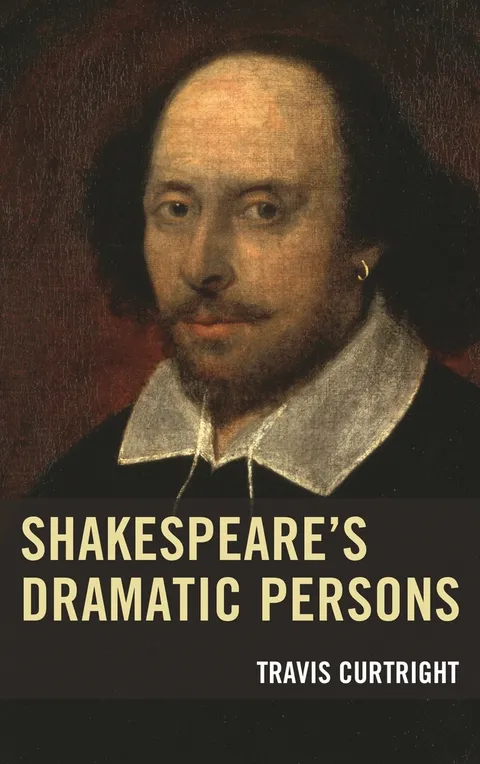
Shakespeare's Dramatic Persons
Report an issue
Tell us what's wrong and we'll take a look.
Thanks – we got it. We'll review and follow up if needed.
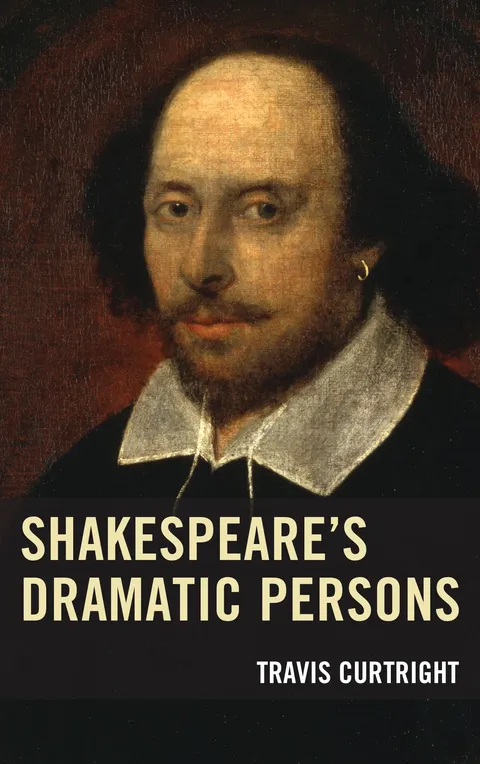
In Shakespeare's Dramatic Persons, Travis Curtright examines the influence of the classical rhetorical tradition on early modern theories of acting in a careful study of and selection from Shakespeare's most famous characters and successful plays. Curtright demonstrates that "personation"--the early modern term for playing a role--is a rhetorical acting style that could provide audiences with lifelike characters and action, including the theatrical illusion that dramatic persons possess interiority or inwardness.
Shakespeare's Dramatic Persons focuses on major characters such as Richard III, Katherina, Benedick, and Iago and ranges from Shakespeare's early to late work, exploring particular rhetorical forms and how they function in five different plays. At the end of this study, Curtright envisions how Richard Burbage, Shakespeare's best actor, might have employed the theatrical convention of directly addressing audience members.
Though personation clearly differs from the realism aspired to in modern approaches to the stage, Curtright reveals how Shakespeare's sophisticated use and development of persuasion's arts would have provided early modern actors with their own means and sense of performing lifelike dramatic persons.
Travis Curtright
Travis Curtright is professor of humanities and literature at Ave Maria University. He is the author or editor of four previous books, including The One Thomas More, and is the editor-in-chief of Moreana: Thomas More and Renaissance Studies.
More by Travis Curtright


Why Readwise Books?
Readwise Books is an ebook & audiobook platform that automatically logs how much you and your friends read, making it fun and easy to read more. Learn more →