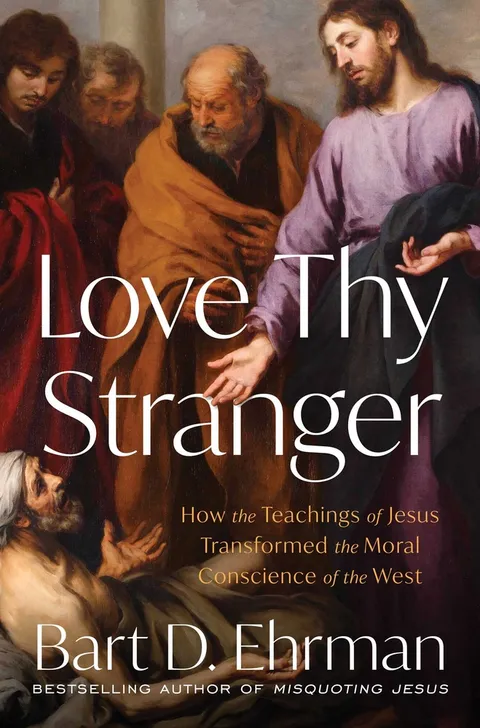
Love Thy Stranger
How the Teachings of Jesus Transformed the Moral Conscience of the West
Report an issue
Tell us what's wrong and we'll take a look.
Thanks – we got it. We'll review and follow up if needed.
From the earliest of times up through Greek and Roman antiquity, moral thinkers prioritized generosity toward friends and family. Even Old Testament exhortations to love your neighbor said little about the suffering of those beyond your own community.
Jesus changed all this, introducing a revolutionary new ethical obligation to show love to those you don't know, and might even dislike, through acts of care. The implications of this radical commandment would be debated, misunderstood, and resisted by early Christians. But by the 5th century, this new "common sense" began to transform the moral conscience--and the politics--of the West.
In Love Thy Stranger, New Testament historian Bart D. Ehrman charts the causes and consequences of this ethical revolution up to the present day with his signature sly humor, verve, and "steadfast humanizing impulse" (The New York Times Book Review). For in this moment of renewed debate over the limits of the love we owe to others, Jesus' most demanding commandment remains quite provocative, even two millennia on.
Bart D. Ehrman
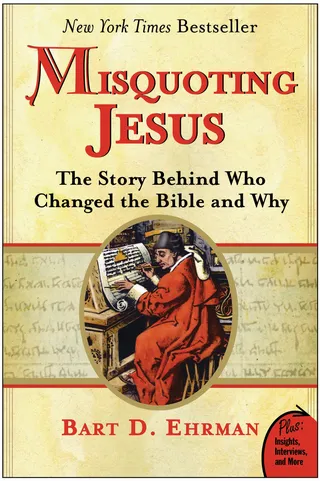
Bart D. Ehrman is the James A. Gray Distinguished Professor of Religious Studies at the University of North Carolina, Chapel Hill, and the New York Times bestselling author of Misquoting Jesus and How Jesus Became God. He has contributed to such major publications and media outlets as Time, The New Yorker, The Washington Post, NBC, CNN and the BBC.
More by Bart D. Ehrman


















Why Readwise Books?
Readwise Books is an ebook & audiobook platform that automatically logs how much you and your friends read, making it fun and easy to read more. Learn more →