
Dick Sand
Report an issue
Tell us what's wrong and we'll take a look.
Thanks – we got it. We'll review and follow up if needed.
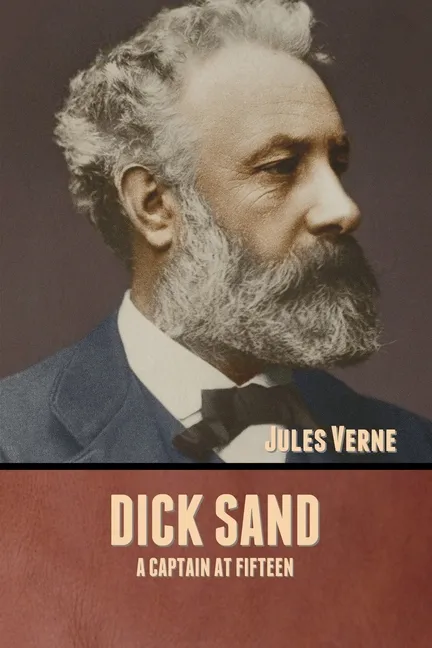
In 1878 appeared Dick Sands, the epic of the slave trade. This picture of the wilds of Africa, its adventures and its dangers, the savage hunting both of beasts and men, has always been a favorite among Verne's readers. It contains no marvels, no inventions, but merely, amid stirring scenes and actions seeks to convey two truthful impressions. One is the traveler's teaching the geographical information, the picture of Africa as explorers, botanists, and zoologists have found it. The other is the moral lesson of the awful curse of slavery, its brutalizing, horrible influence upon all who come in touch with it, and the absolutely devastating effect it has had upon Africa itself.

Jules Verne
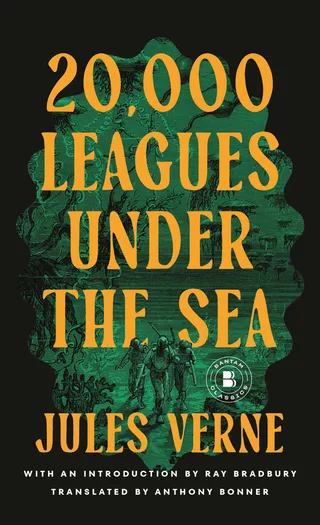
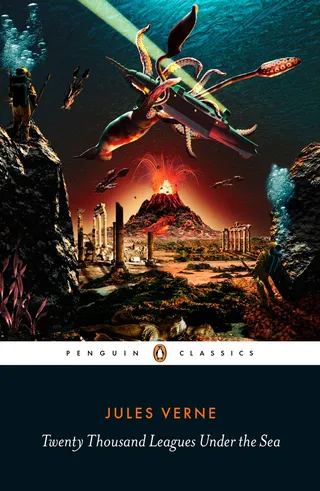
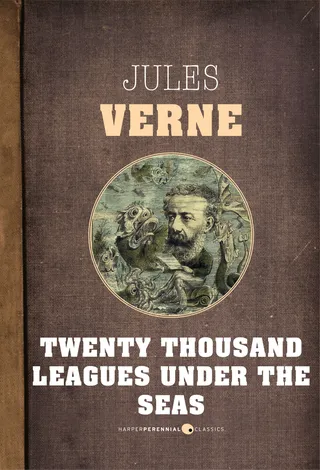
Jules Verne (1828-1905) is considered by many the father of science fiction. Born in Nantes, France, he studied law but turned to writing opera libretti until the 1863 publication of Five Weeks in a Balloon, the first of his Extraordinary Voyages series. Its success encouraged him to produce a number of classic and prophetic science fiction novels, including Journey to the Center of the Earth and Twenty Thousand Leagues under the Sea. His stories foresaw many scientific and technological developments, including the submarine, television, and space travel.
More by Jules Verne








Why Readwise Books?
Readwise Books is an ebook & audiobook platform that automatically logs how much you and your friends read, making it fun and easy to read more. Learn more →