Report an issue
Tell us what's wrong and we'll take a look.
Thanks – we got it. We'll review and follow up if needed.
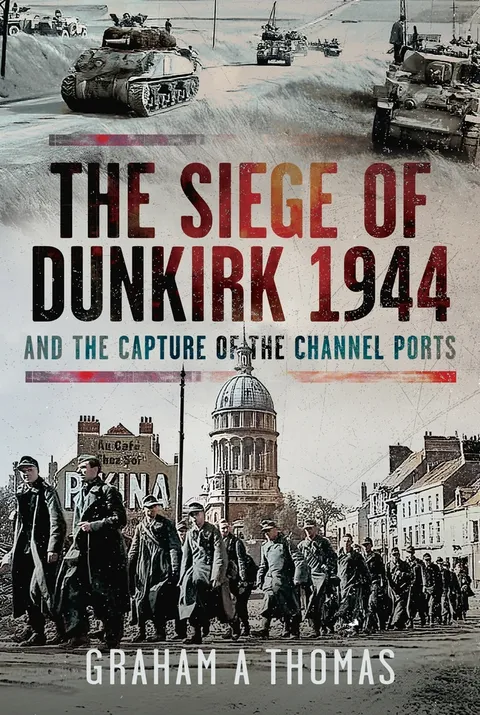
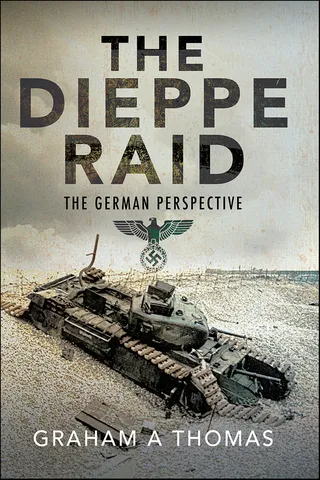
Allied supply lines stretched after Normandy, forcing urgent capture of Channel ports and the siege at Dunkirk.
As the Allies broke out of Normandy in June 1944 and pushed into France and the Low Countries they soon found that their supplies lines became more and more extended. They needed a proper working port on the Channel that would enable them to bring in more men and materiel to fight the Germans in Europe and alleviate their supply issues.
Antwerp was the prize they were after but the Germans had it covered so other ports needed to be captured as a matter of urgency.
This is the story of the capture of Dieppe, Le Havre, Boulogne and Calais and the Siege of Dunkirk that the Allies decided to do while they concentrated on capturing and bringing only the port of Antwerp. It was a siege that was to last until the end of the war.
Graham A Thomas
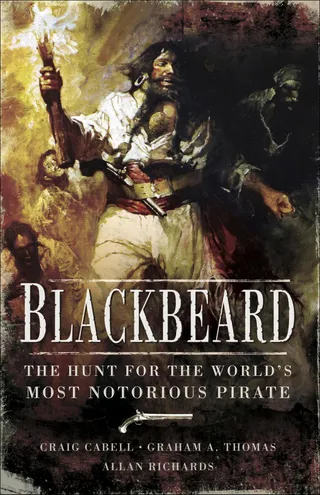
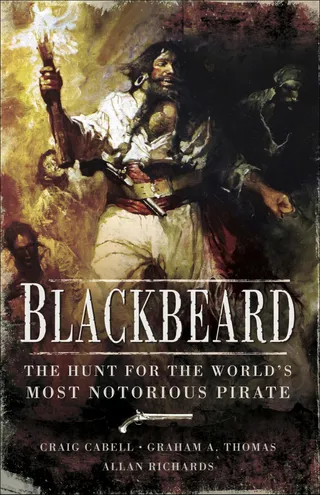
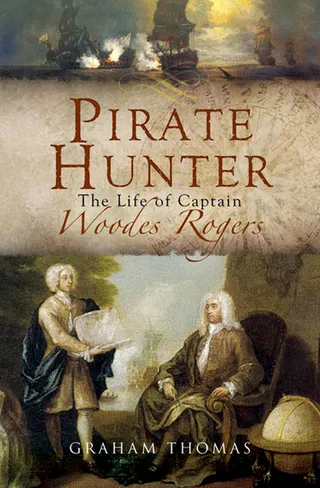
Graham A. Thomas is a historian and editor of British Army Review, the British Army’s journal of military thought. He is a military historian specializing in aerial warfare, land-based twentieth-century campaigns and British naval and maritime history in the eighteenth century. His most recent publications include The Man with No Face and Other Strange Terrifying Tales, The Buccaneer King: The Story of Captain Henry Morgan, Operation Big Ben: The Anti-V2 Spitfire Missions, Pirate Killers, The Royal Navy and the African Pirates and Terror from the Sky: The Battle against the Flying Bombs.
More by Graham A Thomas


Why Readwise Books?
Readwise Books is an ebook & audiobook platform that automatically logs how much you and your friends read, making it fun and easy to read more. Learn more →