The amateur crime
Report an issue
Tell us what's wrong and we'll take a look.
Thanks – we got it. We'll review and follow up if needed.
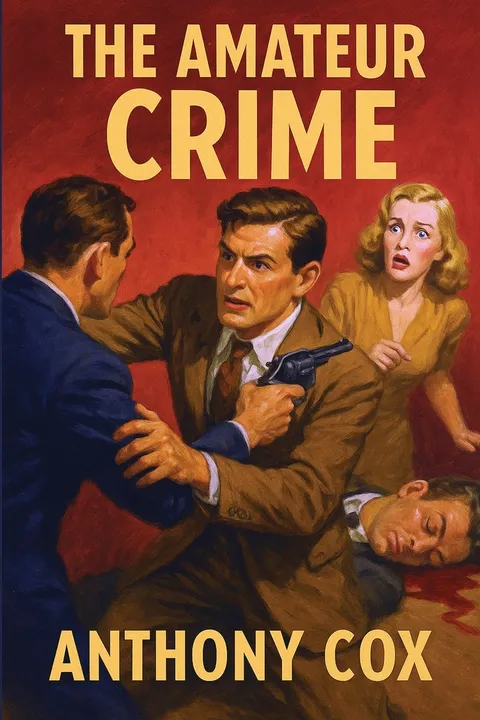
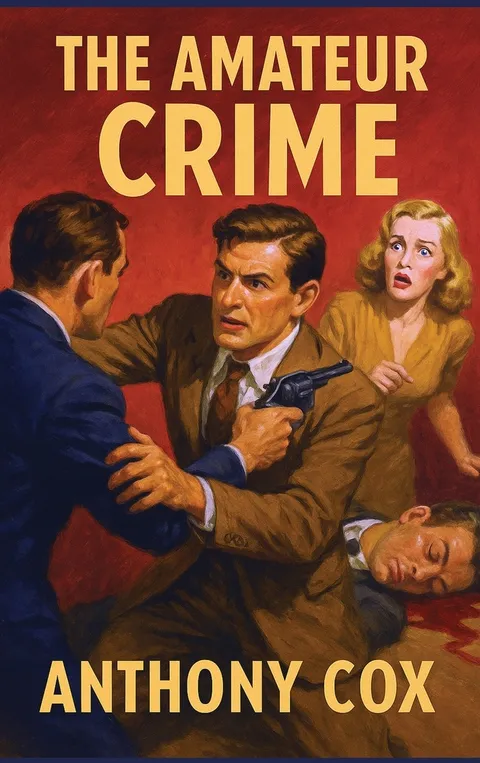
"The Amateur Crime" is a captivating mystery novel that showcases the author's knack for intricate plots and clever twists. Set in 1930s England, the story revolves around Roger Sheringham, an amateur sleuth and part-time novelist, who is invited to a country house party where a murder soon takes place. Known for his sharp intellect and unorthodox methods, Sheringham takes it upon himself to unravel the mystery behind the crime.
The novel intricately explores the dynamics among the house guests, each with their own secrets and possible motives. Berkeley skillfully builds suspense, layering clues and red herrings that keep readers guessing until the very end. Through witty dialogue and a keen eye for detail, Berkeley paints a vivid picture of the era and its social mores, while also delving into the psychological aspects of his characters.
"The Amateur Crime" is not just a whodunit but also a commentary on human nature and the complexities of guilt and innocence. Berkeley's masterful storytelling and engaging protagonist make this novel a standout in the genre, appealing to fans of classic detective fiction and those who appreciate a well-crafted, intellectually stimulating mystery.
Anthony Berkeley
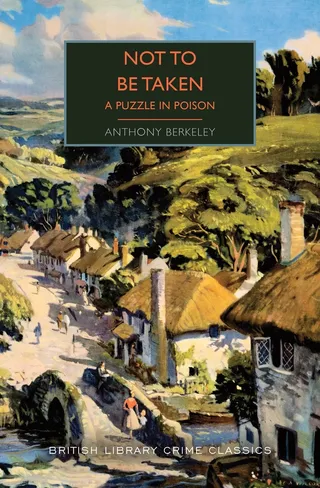
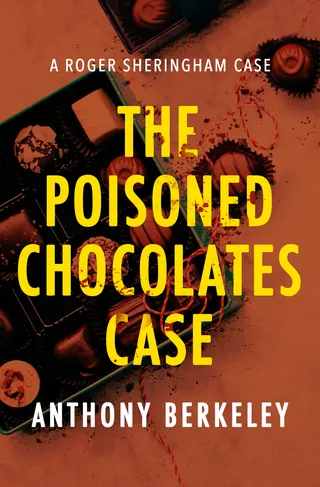
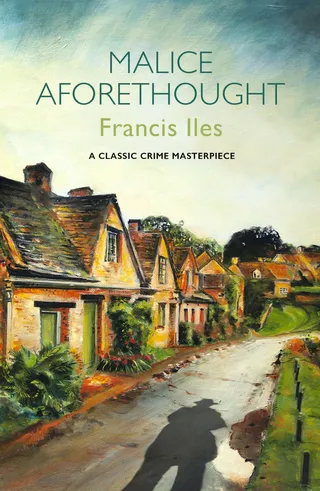
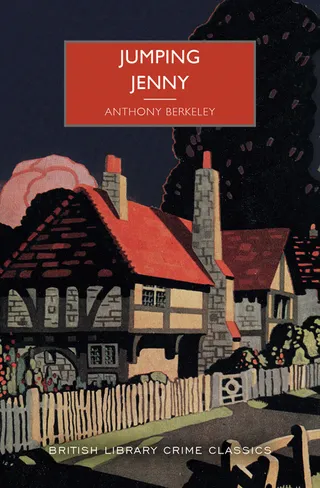
Anthony Berkeley (1893-1971) was the pen name of Anthony Berkeley Cox, an English writer who also published crime novels as Francis Iles. Born in Watford, he served in the First World War and began his literary career writing humorous pieces for periodicals. He brought that experience to detective fiction, where a joke could expose the confidence with which an investigator had mistaken a good story for a satisfactory explanation.The Layton Court Mystery (1925) introduced Roger Sheringham, an amateur detective with a willingness to test an idea and a capacity to be wrong about it. In The Poisoned Chocolates Case (1929), Berkeley places Sheringham in a group of people trying to explain the same death. A familiar form of detective story usually brings many scattered observations together in one solution. Berkeley uses the time it takes to hear several solutions to make a reader attend to the choices each investigator has made while putting the observations in order.Berkeley helped found the Detection Club, a gathering of British crime writers whose members included Dorothy L. Sayers and Agatha Christie. The club offered opportunities to think about and play with the conventions that had become familiar to mystery readers. The Crimes Circle in The Poisoned Chocolates Case has its own fictional purposes, but readers can see why a writer interested in conversation between people with different methods would want to give his investigators a room of their own.Under the name Francis Iles, Berkeley published Malice Aforethought (1931) and Before the Fact (1932). These books put the reader closer to the motives and uncertainties of people involved in a crime than a conventional inquiry might allow. He later wrote criticism and reviews, continuing to consider how mysteries worked after his own period of writing novels had largely ended. His different approaches remain easy to see side by side. A Sheringham book can let the reader test a case and discover how readily it falls apart. An Iles novel can make a person uneasy about how much they already know. In both, Berkeley takes an interest in the moment when the terms on which a reader is following the story begin to change.
More by Anthony Berkeley


Why Readwise Books?
Readwise Books is an ebook & audiobook platform that automatically logs how much you and your friends read, making it fun and easy to read more. Learn more →