Report an issue
Tell us what's wrong and we'll take a look.
Thanks – we got it. We'll review and follow up if needed.
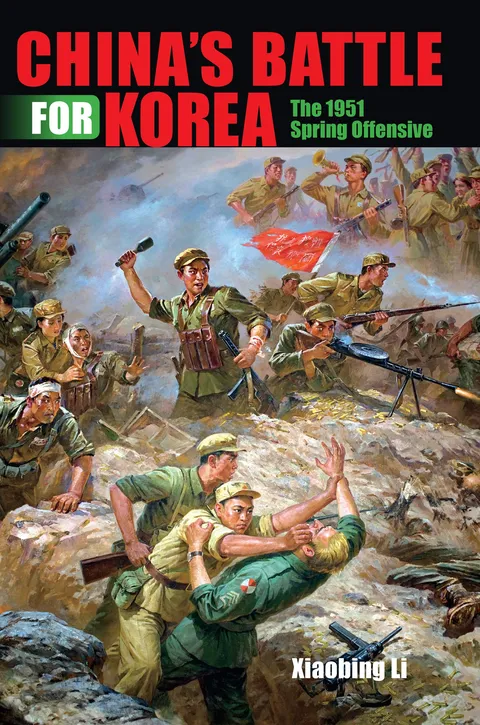
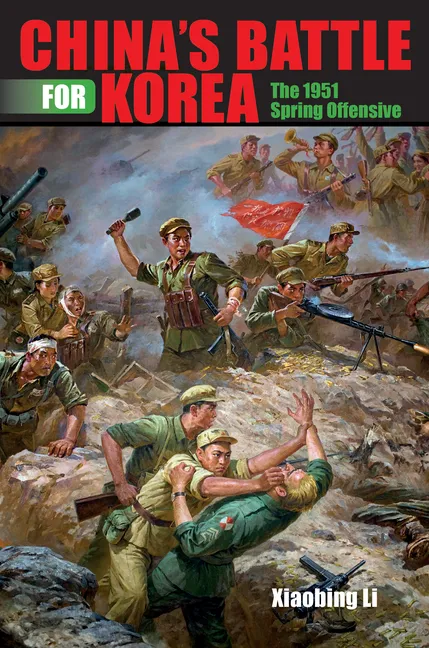
Between November 1950 and the end of fighting in June 1953, China launched six major offensives against UN forces in Korea. The most important of these began on April 22, 1951, and was the largest Communist military operation of the war. The UN forces put up a strong defense, prevented the capture of the South Korean capital of Seoul, and finally pushed the Chinese back above the 38th parallel. After China's defeat in this epic five-week battle, Mao Zedong and the Chinese leadership became willing to conclude the war short of total victory. China's Battle for Korea offers new perspectives on Chinese decision making, planning, and execution; the roles of command, political control, and technology; and the interaction between Beijing, Pyongyang, and Moscow, while providing valuable insight into Chinese military doctrine and the reasons for the UN's military success.
Xiaobing Li
Xiaobing Li, professor of history and director of the Western Pacific Institute at the University of Central Oklahoma, is coauthor of Voices from the Korean War: Personal Stories of American, Korean, and Chinese Soldiers. He served in the People's Liberation Army in China.
More by Xiaobing Li


Why Readwise Books?
Readwise Books is an ebook & audiobook platform that automatically logs how much you and your friends read, making it fun and easy to read more. Learn more →