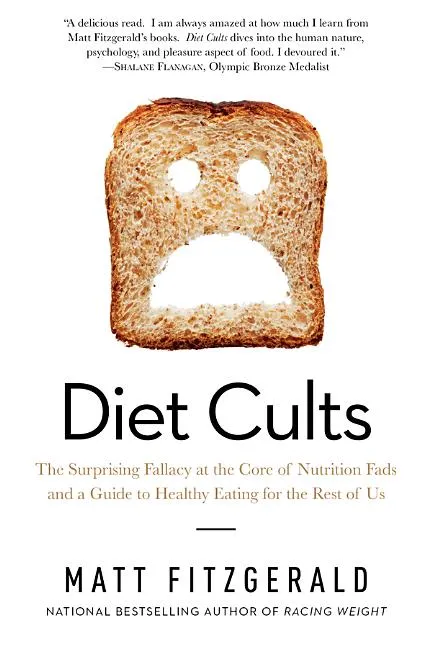
Diet Cults
The Surprising Fallacy at the Core of Nutrition Fads and a Guide to Healthy Eating for the Rest of Us
Report an issue
Tell us what's wrong and we'll take a look.
Thanks – we got it. We'll review and follow up if needed.
From "The Four Hour Body" to "Atkins," there are diet cults to match seemingly any mood and personality type. Everywhere we turn, someone is preaching the "One True Way" to eat for maximum health. Paleo Diet advocates tell us that all foods less than 12,000 years old are the enemy. Low-carb gurus demonize carbs, then there are the low-fat prophets. But they agree on one thing: there is only one true way to eat for maximum health.
The first clue that that is a fallacy is the sheer variety of diets advocated. Indeed, while all of these competing views claim to be backed by "science," a good look at actual nutritional science itself suggests that it is impossible to identify a single best way to eat. Fitzgerald advocates an agnostic, rational approach to eating habits, based on one's own habits, lifestyle, and genetics/body type. Many professional athletes already practice this "Good Enough" diet, and now we can too and ditch the brainwashing of these diet cults for good.
Matt Fitzgerald
Matt Fitzgerald is a certified sports nutritionist and the author of numerous books on running, triathlon, nutrition, and weight loss. His most recent books are Racing Weight Cookbook, Racing Weight Quick Start Guide, RUN: The Mind-Body Method of Running by Feel, Racing Weight, Brain Training for Runners, and The Runner's Diary. Matt is a regular contributor to Men's Fitness, Men's Health, Outside, Runner's World, Bicycling, Running Times, Women's Running, and other sports and fitness publications. Fitzgerald is a featured coach on TrainingPeaks, Pear Sports, and Active.com. He is a certified sports nutritionist (CISSN) licensed by the International Society of Sports Nutrition. He lives and trains near San Francisco, California.
More by Matt Fitzgerald


Why Readwise Books?
Readwise Books is an ebook & audiobook platform that automatically logs how much you and your friends read, making it fun and easy to read more. Learn more →