
Civilization and Its Discontents
Report an issue
Tell us what's wrong and we'll take a look.
Thanks – we got it. We'll review and follow up if needed.

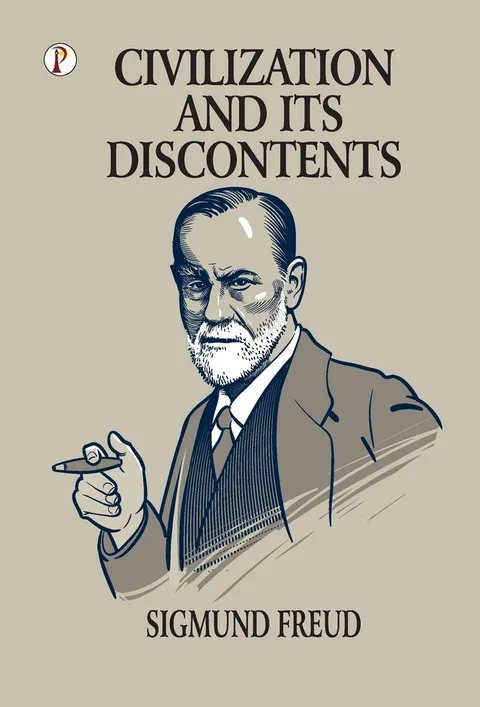
The father of psychoanalysis presents his theories about the human conflict between individual desire and community wellbeing. Long before humans banded together in large groups, they followed their own primal instincts for survival. These acts of self-preservation are natural impulses that have been tamed by communal laws that restrict freedoms the rest of the animal kingdom enjoys. Forcing people to suppress personal desires for a group's greater good affects an individual's happiness, creating tension and resentment against societal structures. In Civilization and Its Discontents, Sigmund Freud explores how the development of cultural progress and unity—through political ideologies and religious moralities—hinders humankind's inclinations. People possess tendencies that clash with rules requiring them to be civil to neighbors and strangers: aggressive behaviors inherent in human nature that have no outlet once they've been nurtured through education and assimilation. Turning inward, we experience guilt and anxiety over these thoughts and urges, fearing punishment. Thought-provoking and insightful, Freud's examination of the neuroses caused by the struggle between independence and civilization remains an essential work in modern psychology.
Sigmund Freud
Sigmund Freud was born in Freiberg, which is now known as the Czech Republic, on May 6, 1856. Freud developed psychoanalysis, a method through which an analyst unpacks unconscious conflicts based on the free associations, dreams and fantasies of the patient. His theories on child sexuality, libido and the ego, among other topics, were some of the most influential academic concepts of the twentieth century.
More by Sigmund Freud







Why Readwise Books?
Readwise Books is an ebook & audiobook platform that automatically logs how much you and your friends read, making it fun and easy to read more. Learn more →