The Last September
Report an issue
Tell us what's wrong and we'll take a look.
Thanks – we got it. We'll review and follow up if needed.
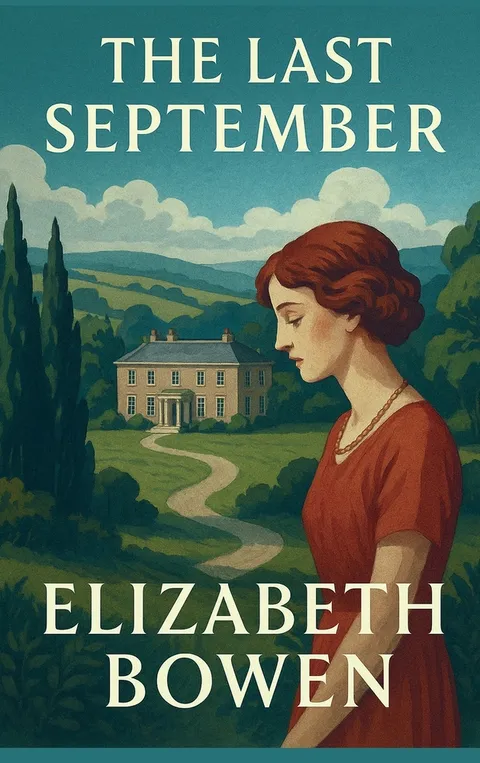
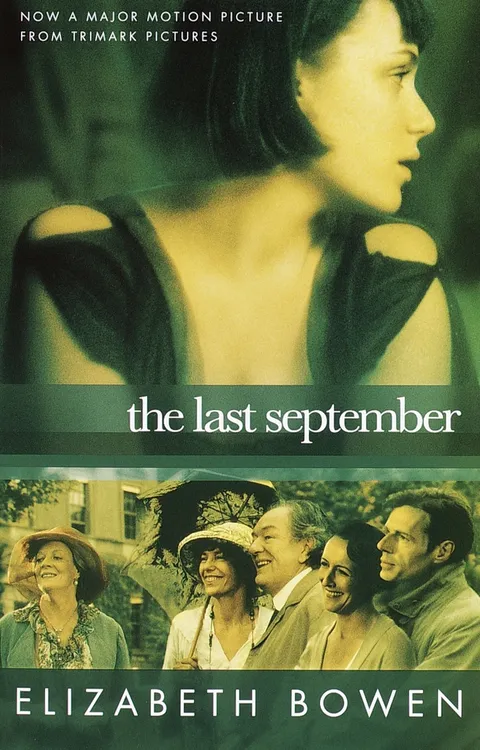
In 1920, at their country home in County Cork, Sir Richard Naylor and his wife, Lady Myra, and their friends maintain a skeptical attitude toward the events going on around them, but behind the facade of tennis parties and army camp dances, all know that the end is approaching--the end of British rule in the south of Ireland and the demise of a way of life that had survived for centuries. Their niece, Lois Farquar, attempts to live her own life and gain her own freedoms from the very class that her elders are vainly defending. The Last September depicts the tensions between love and the longing for freedom, between tradition and the terrifying prospect of independence, both political and spiritual.
"Brilliant.... A successful combination of social comedy and private tragedy."--The Times Literary Supplement (London)
Elizabeth Bowen
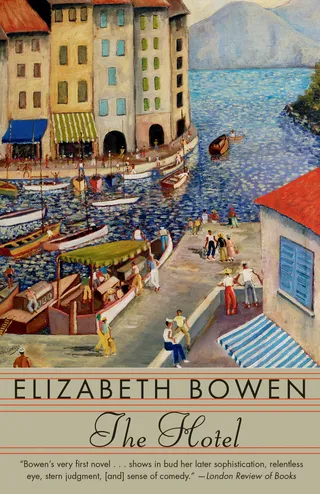
Elizabeth Bowen was born in Dublin in 1899, the only child of an Irish lawyer and land-owner. She travelled a great deal, dividing most of her time between London and Bowen's Court, the family house in County Cork which she inherited. Her first book, a collection of shorts stories, Encounters, was published in 1923. The Hotel (1926) was her first novel. She was awarded the CBE in 1948, and received honorary degrees from Trinity College, Dublin, in 1949, and from Oxford University in 1956. The Royal Society of Literature made her a Companion of Literature in 1965. Elizabeth Bowen died in 1973.
More by Elizabeth Bowen


Why Readwise Books?
Readwise Books is an ebook & audiobook platform that automatically logs how much you and your friends read, making it fun and easy to read more. Learn more →