Report an issue
Tell us what's wrong and we'll take a look.
Thanks – we got it. We'll review and follow up if needed.
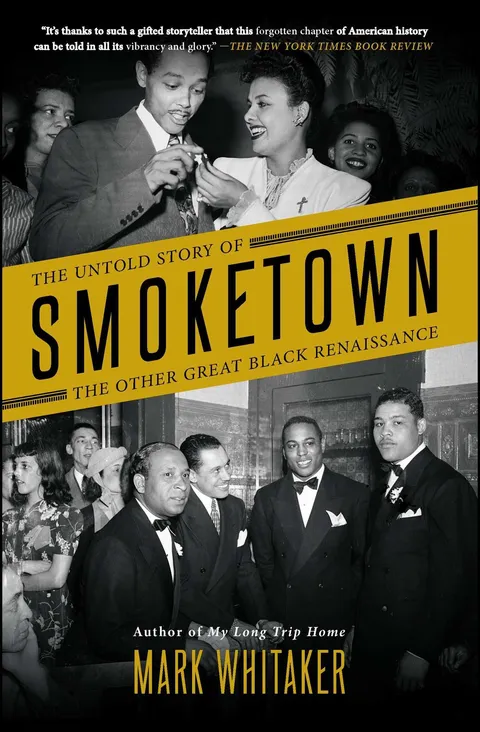
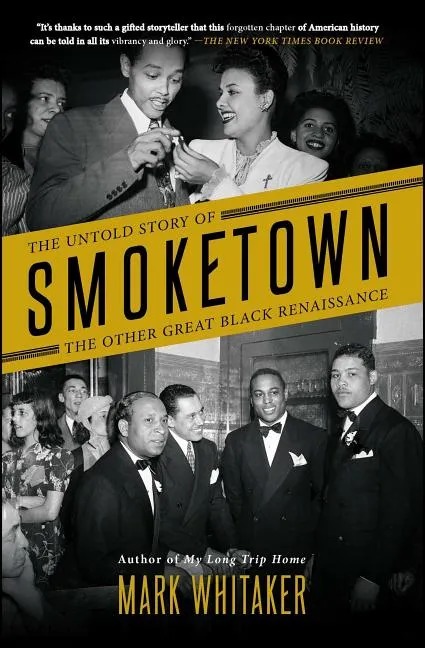
Today black Pittsburgh is known as the setting for August Wilson's famed plays about noble, but doomed, working-class citizens. But this community once had an impact on American history that rivaled the far larger black worlds of Harlem and Chicago. It published the most widely read black newspaper in the country, urging black voters to switch from the Republican to the Democratic Party, and then rallying black support for World War II. It fielded two of the greatest baseball teams of the Negro Leagues and introduced Jackie Robinson to the Brooklyn Dodgers. Pittsburgh was the childhood home of jazz pioneers Billy Strayhorn, Billy Eckstine, Earl Hines, Mary Lou Williams, and Erroll Garner; Hall of Fame slugger Josh Gibson--and August Wilson himself. Some of the most glittering figures of the era were changed forever by the time they spent in the city, from Joe Louis and Satchel Paige to Duke Ellington and Lena Horne.
Mark Whitaker's Smoketown is a "rewarding trip to a forgotten special place and time" (Pittsburgh Post-Gazette). It depicts how ambitious Southern migrants were drawn to a steel-making city on a strategic river junction; how they were shaped by its schools and a spirit of commerce with roots in the Gilded Age; and how their world was eventually destroyed by industrial decline and urban renewal. "Smoketown brilliantly offers us a chance to see this other Black Renaissance and spend time with the many luminaries who sparked it...It's thanks to such a gifted storyteller as Whitaker that this forgotten chapter of American history can finally be told in all its vibrancy and glory" (The New York Times Book Review).
Mark Whitaker
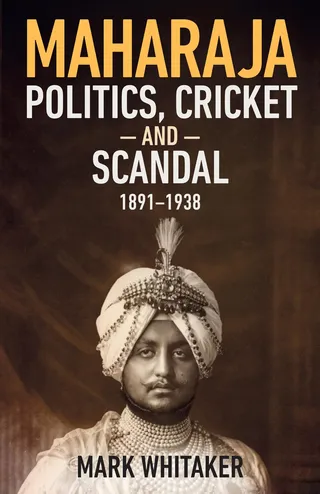
Mark Whitaker's first career was as an academic; his second as a radio journalist with the BBC. He reported and presented current affairs, historical and sports documentaries and was later a co-founder of the independent Square Dog Radio.He briefly played first-class cricket for Cambridge University in the 1960s, and he remains a passionate fan of the game. Playing against New Zealand in 1965, Mark took five wickets and then became the first bowler in English cricket to be banned from bowling for running on the pitch.Mark has previously written Running for Their Lives: The Extraordinary Story of Britain's Greatest Ever Distance Runners, which The Observer described as "An engaging, surprising and, by the end, rather affecting book that becomes as much about lifelong friendship as it is about sport."Maharaja: Politics, Cricket and Scandal, 1891-1938 is his first book with Mensch Publishing.
More by Mark Whitaker




Why Readwise Books?
Readwise Books is an ebook & audiobook platform that automatically logs how much you and your friends read, making it fun and easy to read more. Learn more →