Report an issue
Tell us what's wrong and we'll take a look.
Thanks – we got it. We'll review and follow up if needed.
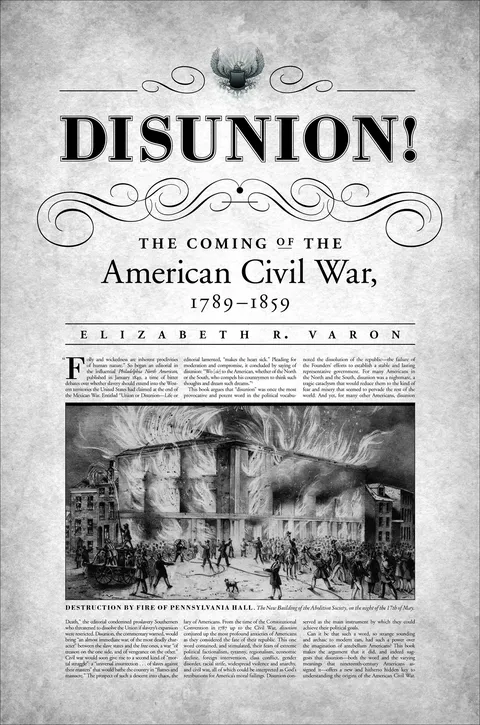
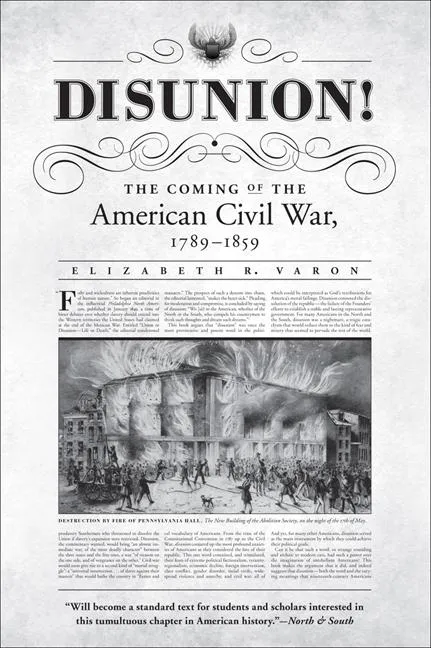
In the decades of the early republic, Americans debating the fate of slavery often invoked the specter of disunion to frighten their opponents. As Elizabeth Varon shows, "disunion" connoted the dissolution of the republic -- the failure of the founders' effort to establish a stable and lasting representative government. For many Americans in both the North and the South, disunion was a nightmare, a cataclysm that would plunge the nation into the kind of fear and misery that seemed to pervade the rest of the world. For many others, however, disunion was seen as the main instrument by which they could achieve their partisan and sectional goals. Varon blends political history with intellectual, cultural, and gender history to examine the ongoing debates over disunion that long preceded the secession crisis of 1860-61.
Elizabeth R Varon
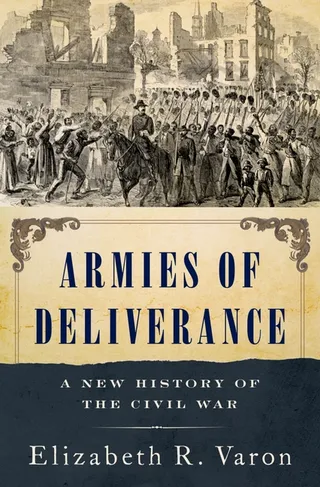
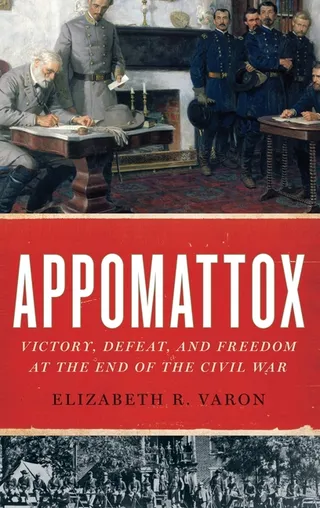
Elizabeth R. Varon is Langbourne M. Williams professor of American history at the University of Virginia. Her books include Longstreet: The Confederate General Who Defied the South; Southern Lady, Yankee Spy: The True Story of Elizabeth Van Lew, a Union Agent in the Heart of the Confederacy; and Appomattox: Victory, Defeat, and Freedom at the End of the Civil War. Her book, Armies of Deliverance: A New History of the Civil War, won the Gilder Lehrman Lincoln Prize and was named one of The Wall Street Journal’s best books of the year.
More by Elizabeth R Varon


Why Readwise Books?
Readwise Books is an ebook & audiobook platform that automatically logs how much you and your friends read, making it fun and easy to read more. Learn more →