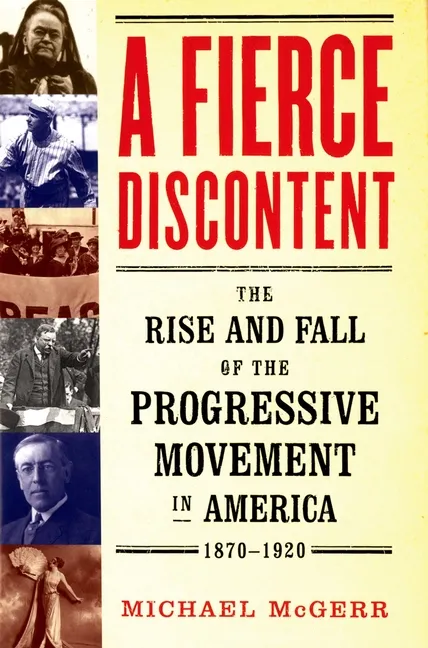
A Fierce Discontent
The Rise and Fall of the Progressive Movement in America, 1870-1920
Report an issue
Tell us what's wrong and we'll take a look.
Thanks – we got it. We'll review and follow up if needed.
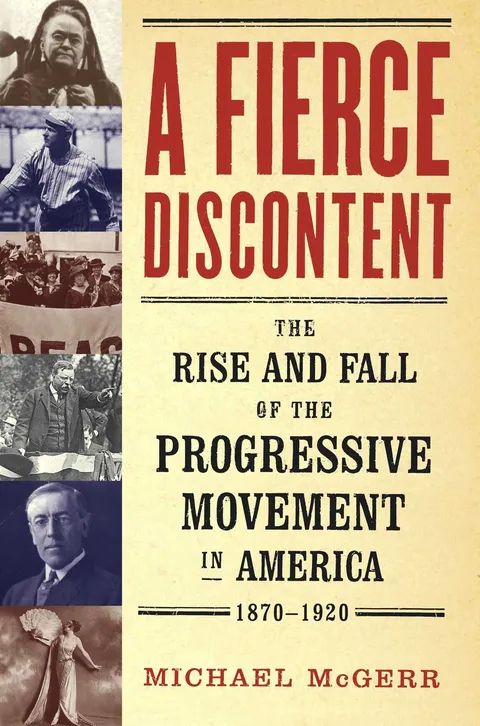
The progressives redefined the role of women, rewrote the rules of politics, banned the sale of alcohol, revolutionized marriage, and eventually whipped the nation into a frenzy for joining World War I. These colorful, ambitious battles changed the face of American culture and politics and established the modern liberal pledge to use government power in the name of broad social good. But the progressives, unable to deliver on all of their promises, soon discovered that Americans retained a powerful commitment to individual freedom. Ironically, the progressive movement helped reestablish the power of conservatism and ensured that America would never be wholly liberal or conservative for generations to come.
Michael McGerr's A Fierce Discontent recreates a time of unprecedented turbulence and unending fascination, showing the first American middle-class revolution. Far bolder than the New Deal of FDR or the New Frontier of JFK, the Progressive Era was a time when everything was up for grabs and perfection beckoned.
Michael McGerr
Michael McGerr is Paul V. McNutt Professor of History at Indiana University-Bloomington. He is the author of several books on modern American political history and has won numerous teaching awards.














Why Readwise Books?
Readwise Books is an ebook & audiobook platform that automatically logs how much you and your friends read, making it fun and easy to read more. Learn more →