Report an issue
Tell us what's wrong and we'll take a look.
Thanks – we got it. We'll review and follow up if needed.
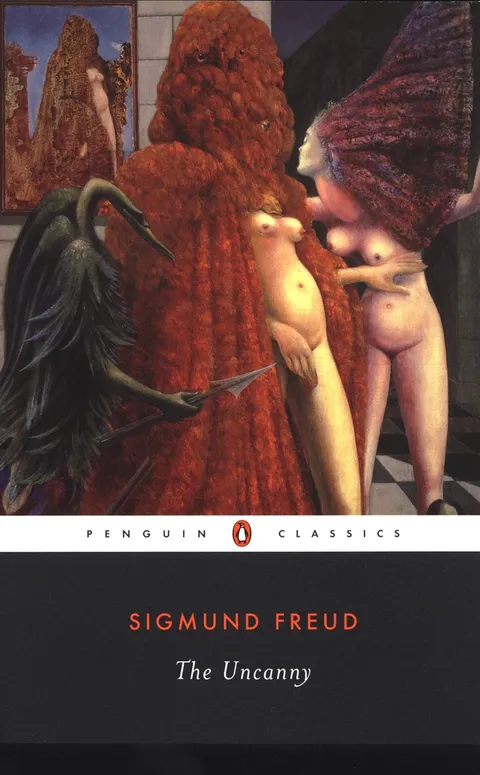
Why do familiar things sometimes frighten us more than the unknown? A lifelike doll, an unexpected double, or a strangely repeated encounter can turn recognition into dread.
First published in 1919, Sigmund Freud's The Uncanny investigates this unsettling experience through psychoanalysis, language, and literature. Beginning with the German words heimlich and unheimlich, Freud traces a surprising connection between the homelike and the hidden. He proposes that certain forms of terror emerge not from what is wholly alien, but from what was once known and has returned in a disturbing form.
At the heart of the essay is a reading of E. T. A. Hoffmann's The Sandman, with its threatening figure, fear of losing one's eyes, and lifelike automaton Olimpia. Freud extends his inquiry to doubles, involuntary repetition, childhood anxieties, and beliefs that adults imagine they have left behind. He also asks why an event may seem uncanny in ordinary life yet cause no unease in a fairy tale. Bringing psychological interpretation into conversation with storytelling, the essay remains a compelling starting point for thinking about horror and the unstable boundary between imagination and reality.
What readers find inside:
- The Familiar Made Strange - A linguistic inquiry reveals how intimacy, concealment, and fear can converge.
- Hoffmann's Disturbing Tale - Freud examines The Sandman through its images of threatened eyes and artificial life.
- Doubles and Repetition - Encounters with another self and recurring situations become clues to psychological unease.
- Repression and Belief - The argument links uncanny feelings to returning childhood fears and supposedly discarded beliefs.
- Fiction and Experience - Freud considers how a story's imagined world shapes its power to unsettle us.
For readers of psychoanalytic thought, students of literature and aesthetics, and anyone curious about the psychology of horror, this essay offers ideas that continue to invite discussion and disagreement.
Enter Freud's inquiry and reconsider the moments when the ordinary becomes profoundly strange.
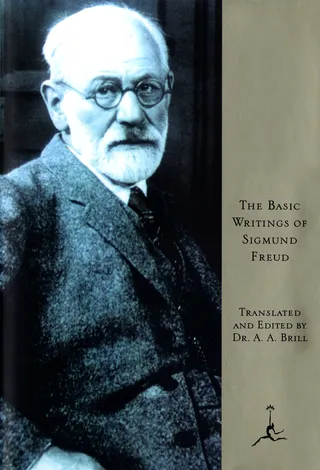
Sigmund Freud
Sigmund Freud was born in Freiberg, which is now known as the Czech Republic, on May 6, 1856. Freud developed psychoanalysis, a method through which an analyst unpacks unconscious conflicts based on the free associations, dreams and fantasies of the patient. His theories on child sexuality, libido and the ego, among other topics, were some of the most influential academic concepts of the twentieth century.
More by Sigmund Freud







Why Readwise Books?
Readwise Books is an ebook & audiobook platform that automatically logs how much you and your friends read, making it fun and easy to read more. Learn more →