Report an issue
Tell us what's wrong and we'll take a look.
Thanks – we got it. We'll review and follow up if needed.
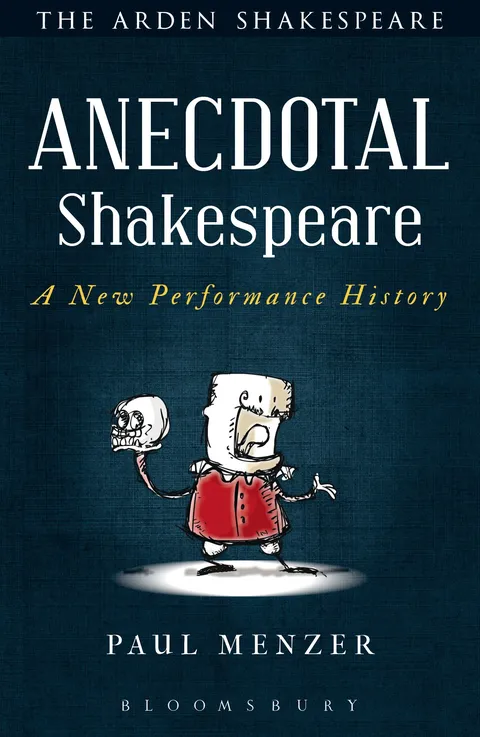
Shakespeare's four-hundred-year performance history is full of anecdotes - ribald, trivial, frequently funny, sometimes disturbing, and always but loosely allegiant to fact. Such anecdotes are nevertheless a vital index to the ways that Shakespeare's plays have generated meaning across varied times and in varied places. Furthermore, particular plays have produced particular anecdotes - stories of a real skull in Hamlet, superstitions about the name Macbeth, toga troubles in Julius Caesar - and therefore express something embedded in the plays they attend. Anecdotes constitute then not just a vital component of a play's performance history but a form of vernacular criticism by the personnel most intimately involved in their production: actors. These anecdotes are therefore every bit as responsive to and expressive of a play's meanings across time as the equally rich history of Shakespearean criticism or indeed the very performances these anecdotes treat. Anecdotal Shakespeare provides a history of post-Renaissance Shakespeare and performance, one not based in fact but no less full of truth.
Paul Menzer
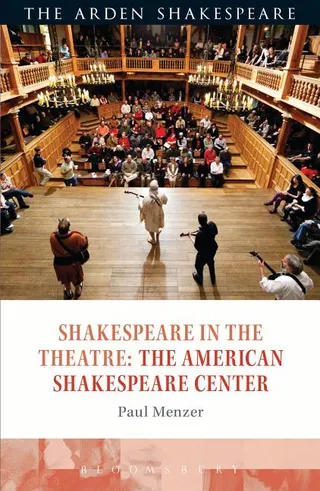
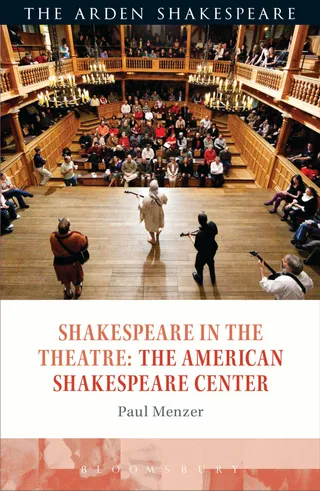
Paul Menzer is the Provost at Mary Baldwin University, USA, where he is a Professor of Shakespeare and Performance. He is the editor of Inside Shakespeare: Essays on the Blackfriars Stage (2006) and author of The Hamlets: Cues, Q's, and Remembered Texts (2008), Anecdotal Shakespeare: a New Performance History (2015), Shakespeare in the Theatre: The American Shakespeare Center (2017), as well as editions of Romeo and Juliet (2017) and Doctor Faustus (2018).
More by Paul Menzer







Why Readwise Books?
Readwise Books is an ebook & audiobook platform that automatically logs how much you and your friends read, making it fun and easy to read more. Learn more →