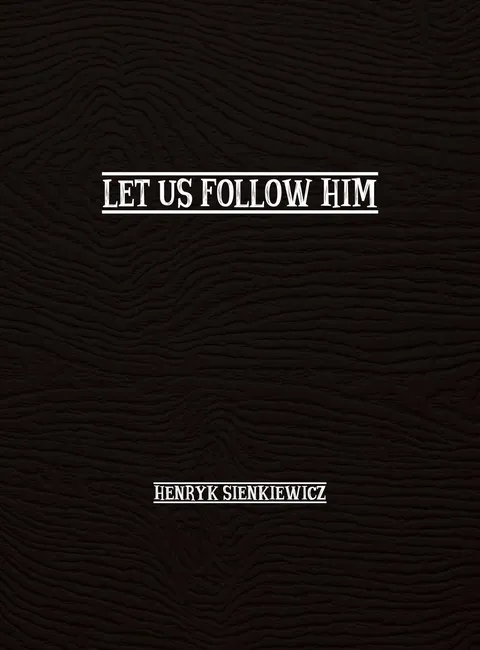
Let Us Follow Him
Report an issue
Tell us what's wrong and we'll take a look.
Thanks – we got it. We'll review and follow up if needed.
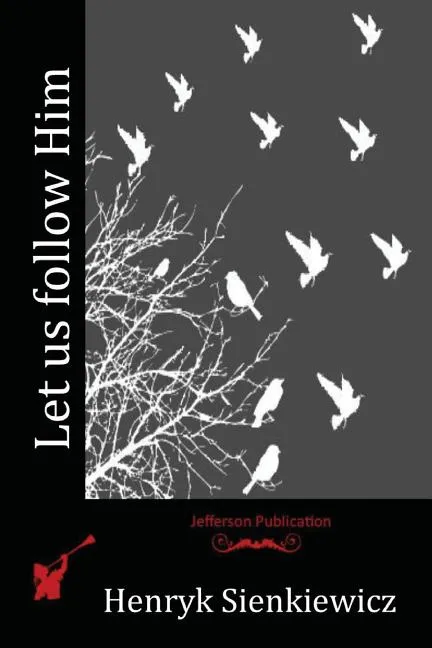

The period of "Let Us Follow Him" is that of the death of Christ. Antea, the wife of a Roman patrician, ill with terrible visions, is advised by a physician to seek the air of Jerusalem. There she and her husband meet Pilate, who tells them of the doctrine of the Nazarene, Jesus, and his condemnation to death. They are present at the Crucifixion, and Antea gives honor to the condemned Nazarene, saying, "Thou art Truth."
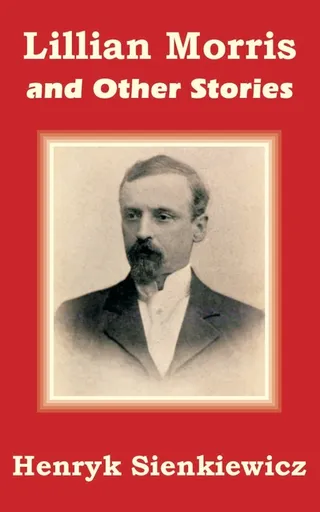
Henryk Sienkiewicz
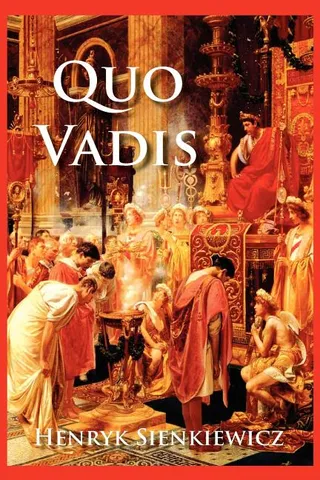
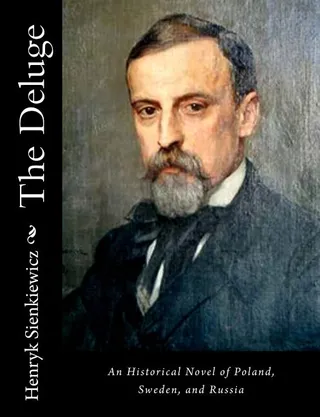
Henryk Adam Aleksander Pius Sienkiewicz was born on May 5, 1846, in Wola Okrzejska, Poland, to parents J zef Sienkiewicz and Stefania Czarnowska. He became one of Poland s most celebrated authors, known for combining national history with literary artistry. Raised in a noble but financially modest family, he was educated in Warsaw, where he studied law, history, and literature. His early work appeared in journals and newspapers, and he eventually traveled abroad, including an extended trip to the United States, where he wrote travel essays and gained insight into broader cultural and political issues. Sienkiewicz gained international acclaim with historical novels such as With Fire and Sword, The Deluge, and Fire in the Steppe, collectively known as The Trilogy. His most widely recognized work is Quo Vadis, a novel set in ancient Rome that earned him global readership and widespread translations. In 1905, he received the Nobel Prize in Literature for his outstanding merits as an epic writer. Through his works, he promoted Polish identity during a time of national partition. Sienkiewicz spent his final years in Switzerland, where he died on November 15, 1916, leaving behind a legacy of patriotism, moral conviction, and literary achievement.
More by Henryk Sienkiewicz







Why Readwise Books?
Readwise Books is an ebook & audiobook platform that automatically logs how much you and your friends read, making it fun and easy to read more. Learn more →