
Report an issue
Tell us what's wrong and we'll take a look.
Thanks – we got it. We'll review and follow up if needed.
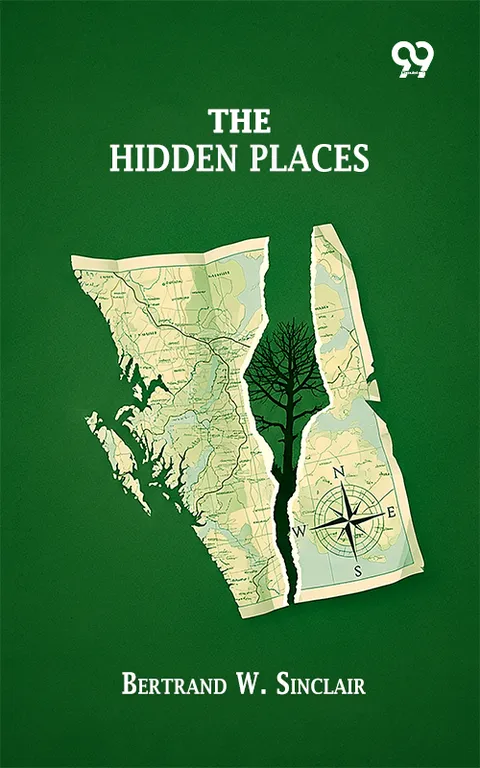
In "The Hidden Places," Bertrand W. Sinclair immerses readers in the rugged landscapes of the Pacific Northwest, skillfully intertwining adventure and introspection through a prose style rich in vivid descriptions and poignant reflections. This novel captures the essence of the early 20th-century Western experience, exploring themes of isolation, the quest for identity, and the interplay between man and nature. Sinclair's narrative is punctuated by a blend of lyrical storytelling and sharp dialogue, allowing readers to traverse both the physical and emotional terrains of his characters as they grapple with their own hidden desires and truths amidst the tumult of life. Bertrand W. Sinclair, a significant figure in early Canadian literature, draws from his diverse experiences as a writer, journalist, and prospector. His intimate knowledge of the Canadian landscape, coupled with his personal encounters with the struggles of pioneering life, culminates in a narrative that is both authentic and evocative. Sinclair's commitment to capturing the human spirit in the face of adversity is evident throughout the novel, reflecting his deep understanding of nature's role in shaping identity. For readers who seek a profound exploration of the complexities of human existence set against the backdrop of stunning wilderness, "The Hidden Places" is a compelling read. Sinclair's masterful storytelling and nuanced character development entice readers to reflect on their own hidden places, inviting them to find the beauty and truth that often lie beneath the surface.
Bertrand W Sinclair
Bertrand William Sinclair (1881-1972) was a Canadian novelist and playwright known for his engaging stories that often reflect the challenges and experiences of life in the Canadian wilderness. Born in Ontario and later relocating to British Columbia, Sinclair's work frequently explores themes of ambition, survival, and the quest for identity against the backdrop of the rugged landscape. Bertrand W. Sinclair's notable works include ""Poor Man's Rock,"" which delves into the lives of prospectors during the gold rush, and ""The Last of the Plainsmen,"" showcasing his deep appreciation for the natural environment and its impact on human endeavors. Sinclair's writing is characterized by its vivid descriptions and a strong character development, highlighting the moral and ethical dilemmas faced by individuals in their pursuit of wealth and fulfillment. Bertrand W. Sinclair's legacy endures through his insightful portrayal of the complexities of human nature and the interplay between people and their environment.
More by Bertrand W Sinclair






Why Readwise Books?
Readwise Books is an ebook & audiobook platform that automatically logs how much you and your friends read, making it fun and easy to read more. Learn more →