Report an issue
Tell us what's wrong and we'll take a look.
Thanks – we got it. We'll review and follow up if needed.
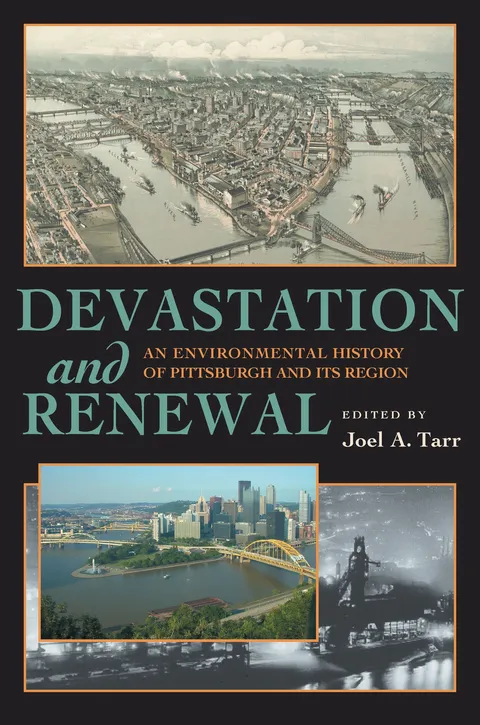
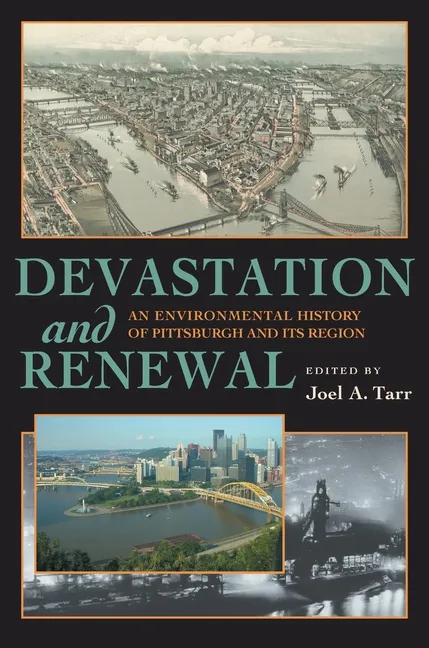
Then came the storied Renaissance in the years following World War II, when the city's public and private elites, abetted by technological advances, came together to improve the air and renew the built environment. Equally dramatic was the sweeping deindustrialization of Pittsburgh in the 1980s, when the collapse of the steel industry brought down the smokestacks, leaving vast tracks of brownfields and riverfront. Today Pittsburgh faces unprecedented opportunities to reverse the environmental degradation of its history.
In Devastation and Renewal, scholars of the urban environment post questions that both complicate and enrich this story. Working from deep archival research, they ask not only what happened to Pittsburgh's environment, but why. What forces-economic, political, and cultural-were at work? In exploring the disturbing history of pollution in Pittsburgh, they consider not only the sooty skies, but also the poisoned rivers and creeks, the mined hills, and scarred land. Who profited and who paid for such "progress?" How did the environment Pittsburghers live in come to be, and how it can be managed for the future?
In a provocative concluding essay, Samuel P. Hays explores Pittsburgh's "environmental culture," the attitudes and institutions that interpret a city's story and work to create change. Comparing Pittsburgh to other cities and regions, he exposes exaggerations of Pittsburgh's environmental achievement and challenges the community to make real progress for the future.
A landmark contribution to the emerging field of urban environmental history, Devastation and Renewal will be important to all students of cities, of cultures, and of the natural world.


Why Readwise Books?
Readwise Books is an ebook & audiobook platform that automatically logs how much you and your friends read, making it fun and easy to read more. Learn more →