Report an issue
Tell us what's wrong and we'll take a look.
Thanks – we got it. We'll review and follow up if needed.
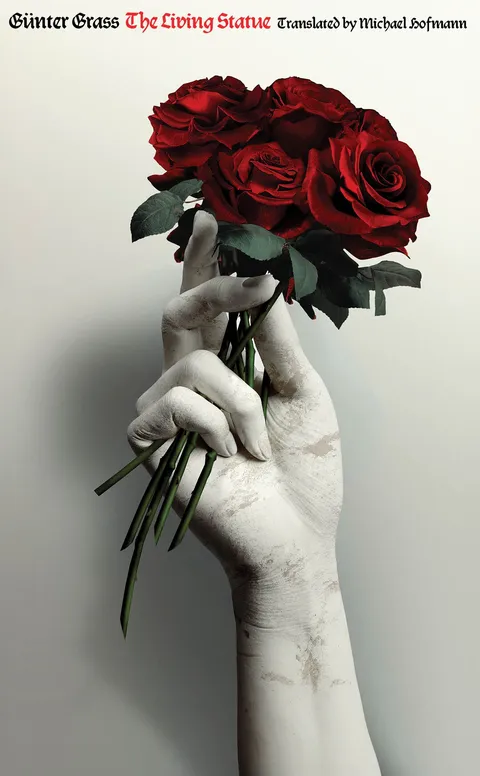
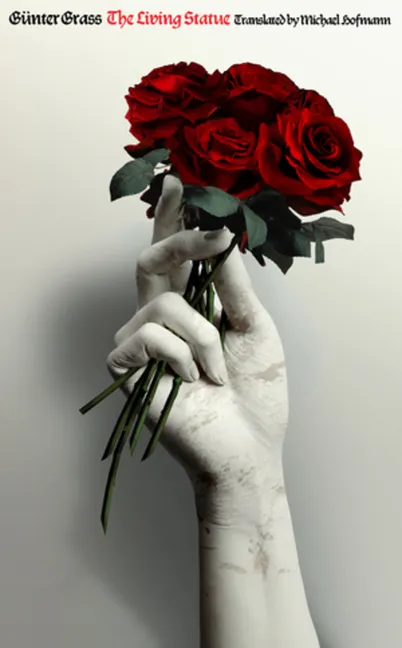
At the end of the 1980s, a writer on a book tour, who very much resembles Grass, passes through East Germany and visits the Cathedral of Naumburg with its famous twelve donor statues. He invites the sculptor's models to dinner--and they come, not as ghosts, but as they were when alive in the thirteenth century. Toward the end of dinner, after drinking an icy Coca-Cola, the model for the famed beauty Uta von Naumburg declares she has to go to work: a living statue.
As he continues touring around Europe, the writer looks for Uta and her donation basket outside every cathedral he passes. At last, in Frankfurt, he sees her in front of Deutsche Bank and the two have a meeting with staggering consequences. As Grass said, "on paper everything is possible," and in this tale he gleefully erases the line between life and death, present and past.
Günter Grass
GÜNTER GRASS (1927-2015), Germany's most celebrated contemporary writer, attained worldwide renown with the publication of his novel The Tin Drum in 1959. A man of remarkable versatility, Grass was a poet, playwright, social critic, graphic artist, and novelist. He was awarded the Nobel Prize for literature in 1999.
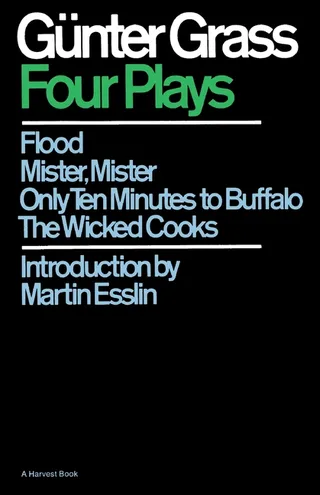
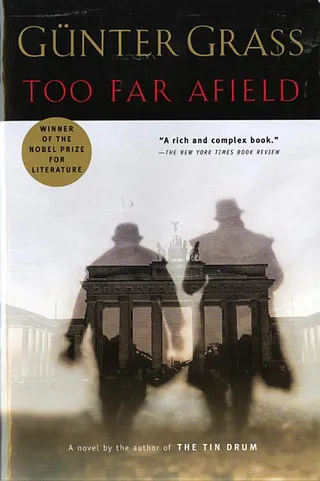
More by Günter Grass
Michael Hofmann
Translated by
Michael Hofmann is a German-born, British-educated poet and translator. He teaches in the English department at the University of Florida.


Why Readwise Books?
Readwise Books is an ebook & audiobook platform that automatically logs how much you and your friends read, making it fun and easy to read more. Learn more →