Report an issue
Tell us what's wrong and we'll take a look.
Thanks – we got it. We'll review and follow up if needed.
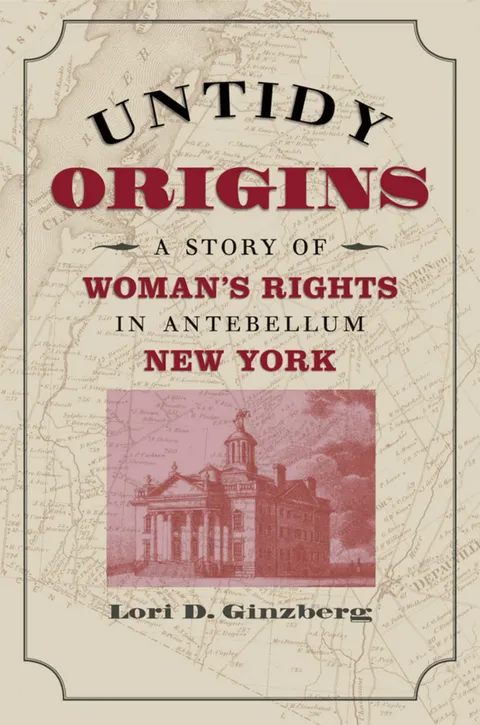
On a summer day in 1846 — two years before the Seneca Falls convention that launched the movement for woman’s rights in the United States — six women in rural upstate New York sat down to write a petition to their state’s constitutional convention, demanding “equal, and civil and political rights with men.” Refusing to invoke the traditional language of deference, motherhood, or Christianity as they made their claim, the women even declined to defend their position, asserting that “a self evident truth is sufficiently plain without argument.” Who were these women, Lori Ginzberg asks, and how might their story change the collective memory of the struggle for woman’s rights?
Very few clues remain about the petitioners, but Ginzberg pieces together information from census records, deeds, wills, and newspapers to explore why, at a time when the notion of women as full citizens was declared unthinkable and considered too dangerous to discuss, six ordinary women embraced it as common sense. By weaving their radical local action into the broader narrative of antebellum intellectual life and political identity, Ginzberg brings new light to the story of woman’s rights and of some women’s sense of themselves as full members of the nation.
Lori D. Ginzberg
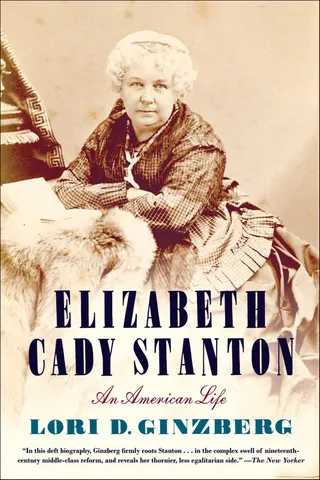
Lori D. Ginzberg is Professor Emeritus of History and Women's, Gender and Sexuality Studies at Pennsylvania State University, as well as the author of several books, including Elizabeth Cady Stanton: An American Life and Untidy Origins: A Story of Woman's Rights in Antebellum New York.
More by Lori D. Ginzberg


Why Readwise Books?
Readwise Books is an ebook & audiobook platform that automatically logs how much you and your friends read, making it fun and easy to read more. Learn more →