
Love
Report an issue
Tell us what's wrong and we'll take a look.
Thanks – we got it. We'll review and follow up if needed.
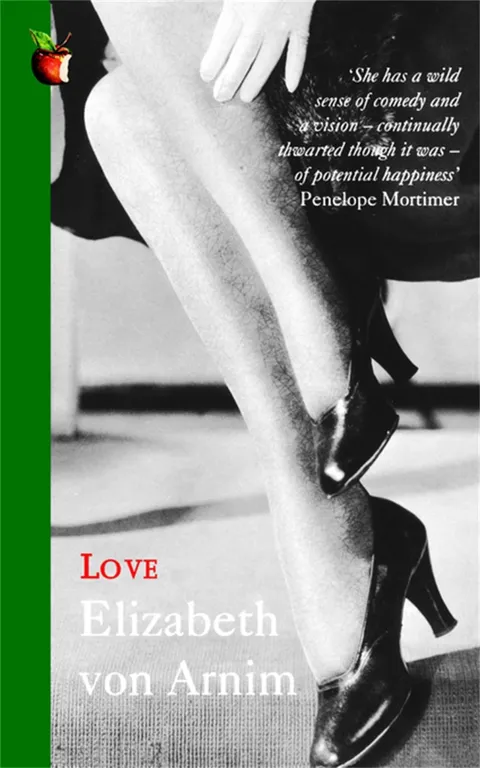

Explore the complexities of love and relationships in Elizabeth von Arnim's "Love," a poignant exploration of a May-December romance. This literary work delves into the intricacies of an age gap, examining the challenges and joys of an unconventional connection. As a cornerstone of contemporary romance, the novel offers a nuanced perspective on the nature of affection, commitment, and the societal forces that shape our understanding of love.
Von Arnim's keen observations and insightful prose resonate with readers interested in stories of the heart. This carefully prepared edition makes this classic accessible. Discover a timeless tale of love that continues to captivate and inspire.
This work has been selected by scholars as being culturally important, and is part of the knowledge base of civilization as we know it.
This work is in the public domain in the United States of America, and possibly other nations. Within the United States, you may freely copy and distribute this work, as no entity (individual or corporate) has a copyright on the body of the work.
Scholars believe, and we concur, that this work is important enough to be preserved, reproduced, and made generally available to the public. We appreciate your support of the preservation process, and thank you for being an important part of keeping this knowledge alive and relevant.
Elizabeth Von Arnim
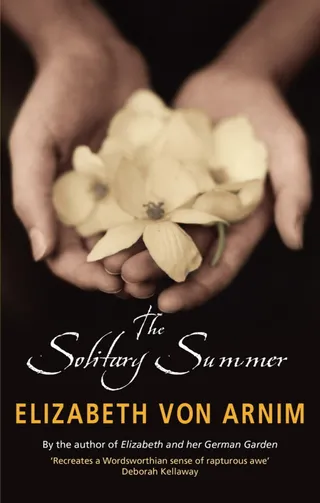
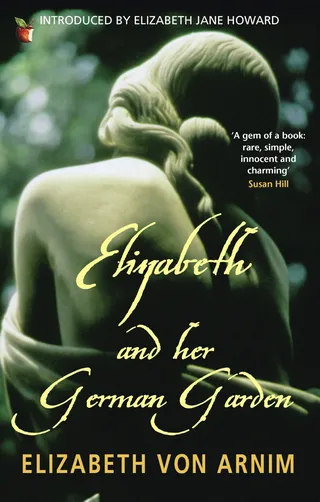
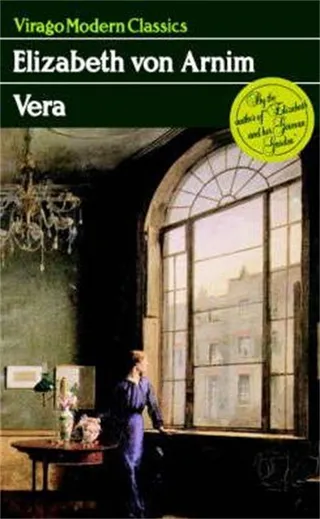
Elizabeth von Arnim (1866-1941) was a British novelist born Mary Annette Beauchamp in Australia and raised chiefly in England. She married the German Count Henning August von Arnim-Schlagenthin and lived for part of their marriage on a country estate in Pomerania. Her experience of a household, a garden, and the possibilities of solitude helped provide material for Elizabeth and Her German Garden (1898). Its success led to an authorial identity that readers came to know by the name Elizabeth.Von Arnim's books often give women time to notice the arrangements of daily life and consider how they might be altered. The Solitary Summer (1899) returns to a garden and the prospect of being left alone. The Enchanted April (1922) puts that prospect to a different test by bringing four women together in an Italian castle. Each woman's hopes for the month change as she discovers the distance between the peace she imagined and the company she has chosen.The settings of von Arnim's writing reflect a life spent in several countries. She lived in Switzerland and spent time in Italy, and later settled in the United States. Her second marriage was to Francis Russell, the brother of Bertrand Russell. The marriages in her novels take very different forms, from the arrangements that occupy the women of The Enchanted April to the conflict over independence in Vera (1921). Her range also includes Love (1925), which gives close attention to how expectations about age affect a relationship.Von Arnim could make a room, a garden, or a view part of the practical business of getting along with other people. In The Enchanted April, the Italian setting offers its visitors somewhere to spend time on their own as well as places where they are bound to meet. That freedom of movement gives the novel its lightness and much of its precision. In later writing such as All the Dogs of My Life, she could organize personal recollections through the animals that had shared her days. Across these books, details that seem easy to overlook often determine what a person can say, how long a visit can be endured, or what it means to have some time to oneself.
More by Elizabeth Von Arnim






Why Readwise Books?
Readwise Books is an ebook & audiobook platform that automatically logs how much you and your friends read, making it fun and easy to read more. Learn more →