Report an issue
Tell us what's wrong and we'll take a look.
Thanks – we got it. We'll review and follow up if needed.
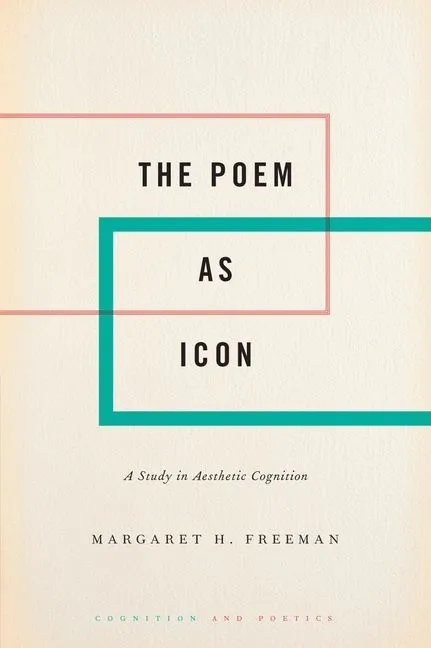
The Poem as Icon focuses on the art of poetry to explore its nature and function: not interpretation but experience; not what poetry means but what it does. Using both historic and contemporary approaches of embodied cognition from various disciplines, Margaret Freeman argues that a poem's success lies in its ability to become an icon of the felt "being" of reality.
Freeman explains how the features of semblance, metaphor, schema, and affect work to make a poem an icon, with detailed examples from various poets. By analyzing the ways poetry provides insights into the workings of human cognition, Freeman claims that taste, beauty, and pleasure in the arts are simply products of the aesthetic faculty, and not the aesthetic faculty itself. The aesthetic faculty, she argues, should be understood as the science of human perception, and therefore constitutive of the cognitive processes of attention, imagination, memory, discrimination, expertise, and judgment.
Margaret H Freeman
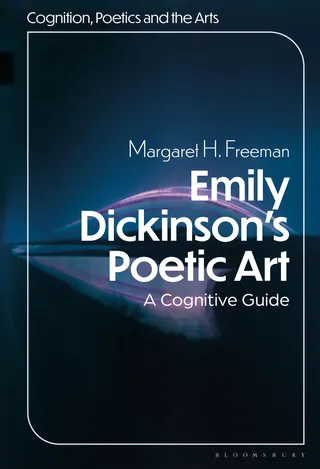
Margaret H. Freeman is Co-Director of the Myrifield Institute for Cognition and the Arts, MA, USA. Professor Freeman's past publications include The Poem as Icon: A Study in Aesthetic Cognition (2020).
More by Margaret H Freeman












Why Readwise Books?
Readwise Books is an ebook & audiobook platform that automatically logs how much you and your friends read, making it fun and easy to read more. Learn more →