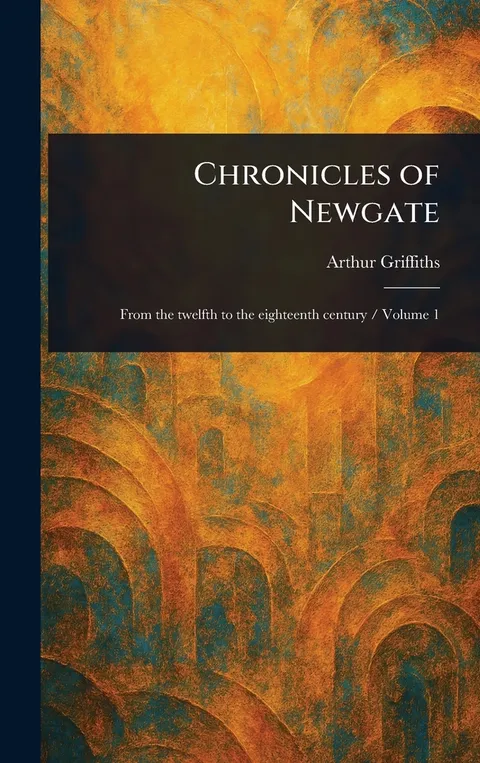
Chronicles of Newgate
Report an issue
Tell us what's wrong and we'll take a look.
Thanks – we got it. We'll review and follow up if needed.
Delve into the dark history of crime and punishment in England with "The History and Romance of Crime: The Chronicles of Newgate, Vol. 1 of 2." This meticulously researched volume, written by Arthur Griffiths, chronicles the infamous Newgate Prison from the 12th to the 18th century. Explore the evolution of criminal law and the grim realities of prison life within Newgate's walls.
This book offers a detailed account of a pivotal institution in England's past, essential for anyone interested in crime history, prison reform, or the social conditions of the time. "The History and Romance of Crime" presents a stark and compelling look at the darker side of British society, offering insights into the lives of prisoners and the development of the justice system. From its medieval origins to its role in the 18th century, Newgate Prison serves as a microcosm of societal attitudes towards crime and punishment.
This work has been selected by scholars as being culturally important, and is part of the knowledge base of civilization as we know it.
This work is in the public domain in the United States of America, and possibly other nations. Within the United States, you may freely copy and distribute this work, as no entity (individual or corporate) has a copyright on the body of the work.
Scholars believe, and we concur, that this work is important enough to be preserved, reproduced, and made generally available to the public. We appreciate your support of the preservation process, and thank you for being an important part of keeping this knowledge alive and relevant.
Arthur Griffiths
Arthur George Frederick Griffiths was born on December 9, 1838, in Pune. He came from a background that combined military tradition and intellectual pursuit, which strongly influenced the course of his life and career. Over time, he became widely recognized not only as a British military officer but also as a prison administrator and a prolific author. His career in the military provided firsthand experience that enriched his historical and analytical writing. Griffiths was especially known for his extensive documentation of 19th-century conflicts, providing detailed and critical perspectives on major military campaigns of the period. His position as a military correspondent for The Times allowed him to observe and interpret key events with authority and clarity. Beyond battlefield history, his work as a prison inspector informed his publications on criminal justice and prison reform, reflecting a broader engagement with institutional systems. He died on March 24, 1908, in Beaulieu, United Kingdom. Through his dual focus on military history and institutional life, he left behind a comprehensive body of work that captured the structures shaping society in his time.
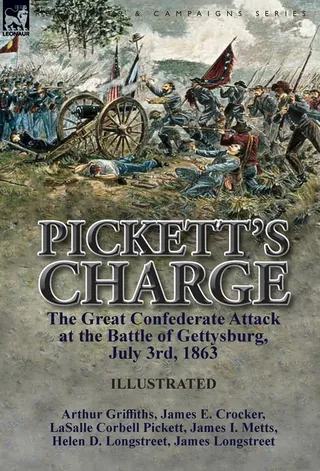
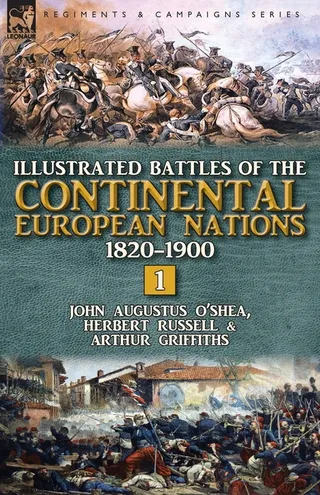
More by Arthur Griffiths





Why Readwise Books?
Readwise Books is an ebook & audiobook platform that automatically logs how much you and your friends read, making it fun and easy to read more. Learn more →