Report an issue
Tell us what's wrong and we'll take a look.
Thanks – we got it. We'll review and follow up if needed.
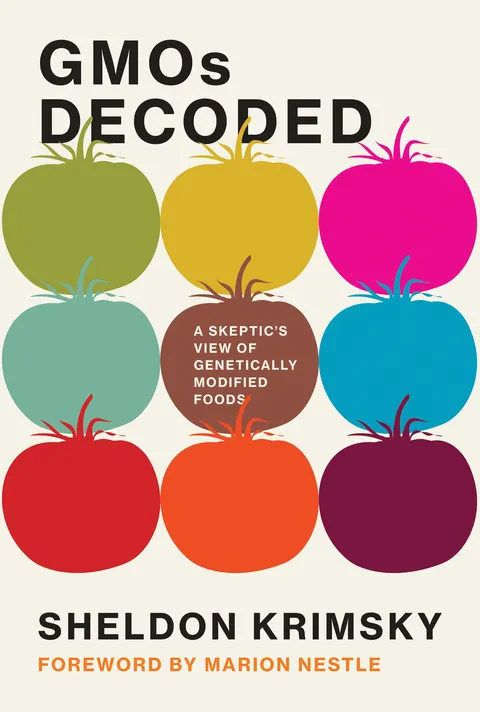
Since they were introduced to the market in the late 1990s, GMOs (genetically modified organisms, including genetically modified crops), have been subject to a barrage of criticism. Agriculture has welcomed this new technology, but public opposition has been loud and scientific opinion mixed. In GMOs Decoded, Sheldon Krimsky examines the controversies over GMOs—health and safety concerns, environmental issues, the implications for world hunger, and the scientific consensus (or lack of one). He explores the viewpoints of a range of GMO skeptics, from public advocacy groups and nongovernmental organizations to scientists with differing views on risk and environmental impact.
Krimsky explains the differences between traditional plant breeding and “molecular breeding” through genetic engineering (GE); describes early GMO products, including the infamous Flavr Savr tomato; and discusses herbicide-, disease-, and insect-resistant GE plants. He considers the different American and European approaches to risk assessment, dueling scientific interpretations of plant genetics, and the controversy over labeling GMO products. He analyzes a key 2016 report from the National Academies of Sciences on GMO health effects and considers the controversy over biofortified rice (Golden Rice)—which some saw as a humanitarian project and others as an exercise in public relations.
Do GMO crops hold promise or peril? By offering an accessible review of the risks and benefits of GMO crops, and a guide to the controversies over them, Krimsky helps readers judge for themselves.
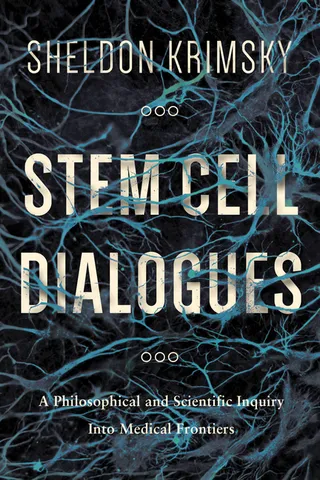
Sheldon Krimsky
Sheldon Krimsky is Lenore Stern Professor of Humanities and Social Sciences and Adjunct Professor of Public Health and Community Medicine at Tufts University, Massachusetts, USA. His research has focused on the linkages between science/technology, ethics/values and public policy. His areas of specialization include biomedical sciences, bioethics, science and technology studies, risk assessment and communication, social history of science, and environmental health. He is the author of over 200 articles and reviews, and author, co-author or editor of 16 books.
More by Sheldon Krimsky





Why Readwise Books?
Readwise Books is an ebook & audiobook platform that automatically logs how much you and your friends read, making it fun and easy to read more. Learn more →