Report an issue
Tell us what's wrong and we'll take a look.
Thanks – we got it. We'll review and follow up if needed.
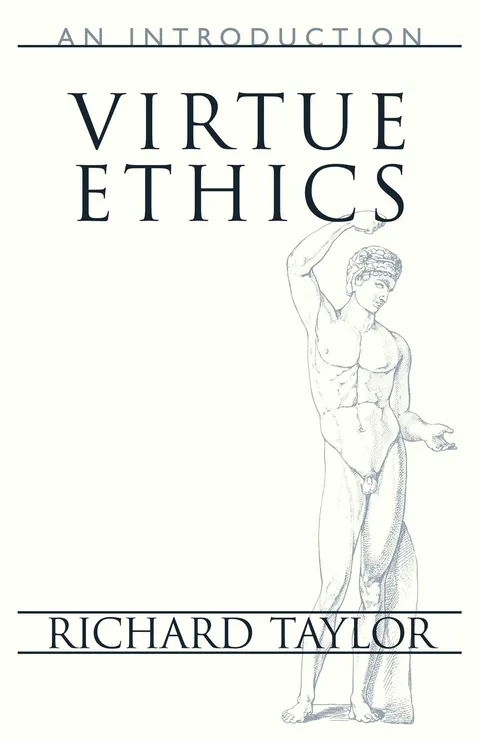
In this fresh evaluation of Western ethics, noted philosopher Richard Taylor argues that philosophy must return to the classical notion of virtue as the basis of ethics. To ancient Greek and Roman philosophers, ethics was chiefly the study of how individuals attain personal excellence, or "virtue," defined as intellectual sophistication, wisdom, strength of character, and creativity. With the ascendancy of the Judeo-Christian ethic, says Taylor, this emphasis on pride of personal worth was lost. Instead, philosophy became preoccupied with defining right and wrong in terms of a divine lawgiver, and the concept of virtue was debased to mean mere obedience to divine law. Even today, in the absence of religious belief, modern thinkers unwittingly continue this legacy by creating hairsplitting definitions of good and evil.Taylor points out that the ancients rightly understood the ultimate concern of ethics to be the search for happiness, a concept that seems to have eluded contemporary society despite unprecedented prosperity and convenience. Extolling Aristotle's Nicomachean Ethics, Taylor urges us to reread this brilliant and still relevant treatise, especially its emphasis on an ethic of aspiration.



Why Readwise Books?
Readwise Books is an ebook & audiobook platform that automatically logs how much you and your friends read, making it fun and easy to read more. Learn more →