The Chosen Peoples
Report an issue
Tell us what's wrong and we'll take a look.
Thanks – we got it. We'll review and follow up if needed.
As Todd Gitlin and Liel Leibovitz argue in this original and provocative book, what unites the two allies in a "special friendship" is less common strategic interests than this deep-seated and lasting theological belief that they were chosen by God.
The United States and Israel each has understood itself as a nation placed on earth to deliver a singular message of enlightenment to a benighted world. Each has stumbled through history wrestling with this strange concept of chosenness, trying both to grasp the meaning of divine election and to bear the burden it placed them under. It was this idea that provided an indispensable justification when the Americans made a revolution against Britain, went to war with and expelled the Indians, expanded westward, built an overseas empire, and most recently waged war in Iraq. The equivalent idea gave rise to the Jewish people in the first place, sustained them in exodus and exile, and later animated the Zionist movement, inspiring the Israelis to vanquish their enemies and conquer the West Bank and the Gaza Strip. Everywhere you look in American and Israeli history, the idea of chosenness is there.
"The Chosen Peoples" delivers a bold new take on both nations' histories. It shows how deeply the idea of chosenness has affected not only their enthusiasts but also their antagonists. It digs deeply beneath the superficialities of headlines, the details of negotiations, the excuses and justifications that keep cropping up for both nations' successes and failures. It shows how deeply ingrained is the idea of a chosen people in both nations' histories--and yet how complicated that idea really is. And it offers interpretations of chosenness that both nations dearly need in confronting their present-day quandaries.
Weaving together history, theology, and politics, "The Chosen Peoples" vividly retells the dramatic story of two nations bound together by a wild and sacred idea, takes unorthodox perspectives on some of our time's most searing conflicts, and offers an unexpected conclusion: only by taking the idea of chosenness seriously, wrestling with its meaning, and assuming its responsibilities can both nations thrive.
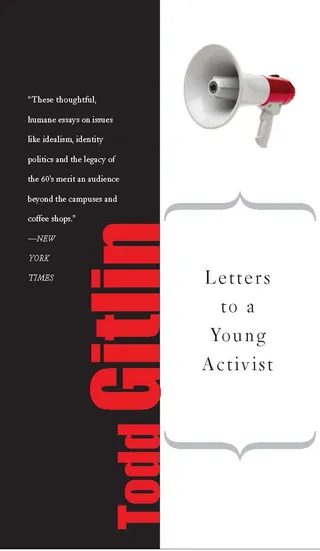
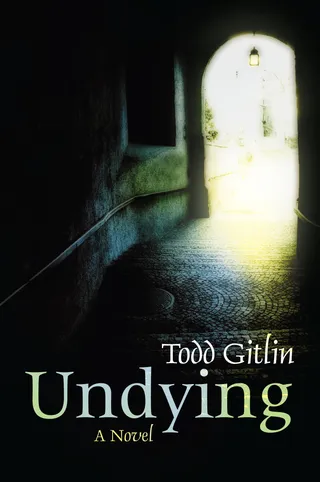
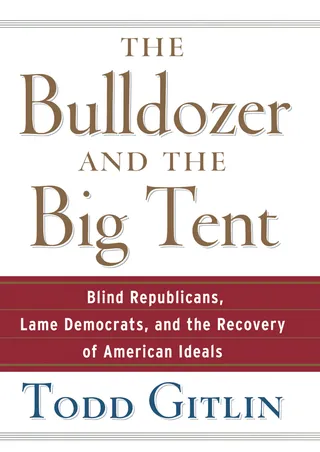
Todd Gitlin
Todd Gitlin is professor of journalism and sociology and chair of the PhD program in communications at Columbia University. He lectures widely on matters relating to OWS and is the author of fourteen previous books about politics, culture, movements, and media, including the bestselling The Sixties. He was a founding member of Students for a Democratic Society and its third president
More by Todd Gitlin
Liel Leibovitz
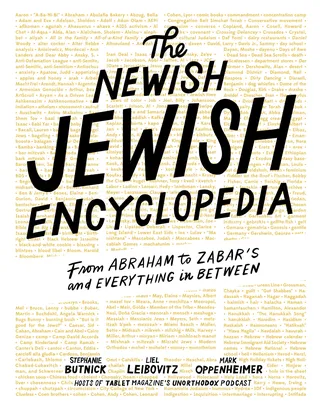
Liel Leibovitz is host of Tablet's daily Talmud podcast Take One and cohost of the Unorthodox podcast. Author of A Broken Hallelujah and Stan Lee and coauthor of The Newish Jewish Encyclopedia, he lives in New York City.
More by Liel Leibovitz







Why Readwise Books?
Readwise Books is an ebook & audiobook platform that automatically logs how much you and your friends read, making it fun and easy to read more. Learn more →