Report an issue
Tell us what's wrong and we'll take a look.
Thanks – we got it. We'll review and follow up if needed.
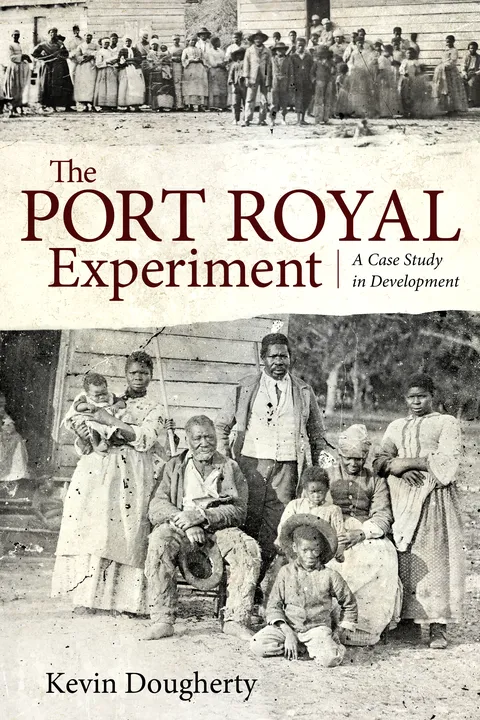
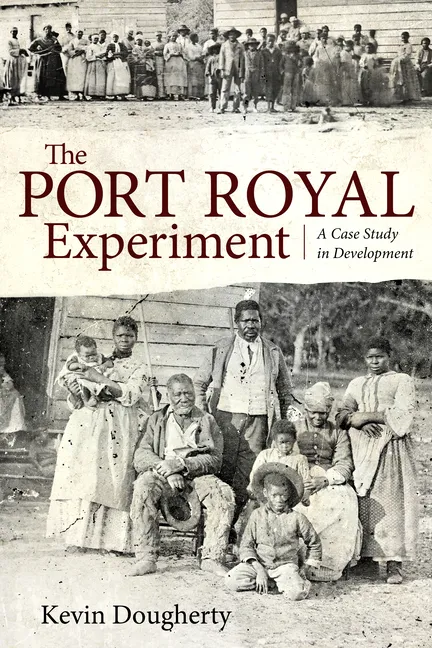
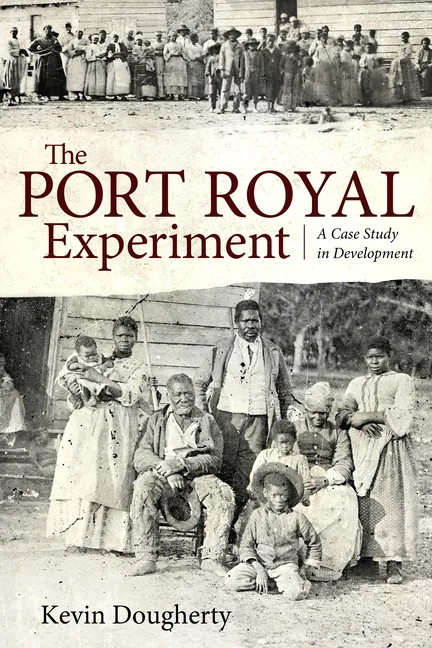
The Port Royal Experiment builds on classic scholarship to present not a historical narrative but a study of what is now called development and nation building. The Port Royal Experiment was a joint governmental and private effort begun during the Civil War to transition former slaves to freedom and self-sufficiency. Port Royal Harbor and the Sea Islands off the coast of South Carolina were liberated by Union Troops in 1861. As the Federal advance began, the white plantation owners and residents fled, abandoning approximately 10,000 black slaves. Several private northern charity organizations stepped in to help the former slaves become self-sufficient. Nonetheless, the Port Royal Experiment was only a mixed success and was contested by efforts to restore the status quo of white dominance. Return to home rule then undid much of what the experiment accomplished.
The Port Royal Experiment divides into ten chapters, each of which is designed to treat a particular aspect of the experience. Topics include planning considerations, philanthropic society activity, civil society, economic development, political development, and resistance. Each chapter presents the case study in the context of more recent developmental and nation-building efforts in such places as Bosnia, Somalia, Kosovo, Iraq, and Afghanistan. Modern readers will see that the challenges that faced the Port Royal Experiment remain relevant, even as their solutions remain elusive.
Kevin Dougherty
Kevin Dougherty is retired from careers as a US Army officer and as the Assistant Commandant for Leadership Programs at The Citadel. He is currently an independent scholar and the author of several books including The Campaigns for Vicksburg, 1862–1863 (Casemate 2011), which illustrates leadership principles through historical narrative.
More by Kevin Dougherty



Why Readwise Books?
Readwise Books is an ebook & audiobook platform that automatically logs how much you and your friends read, making it fun and easy to read more. Learn more →